
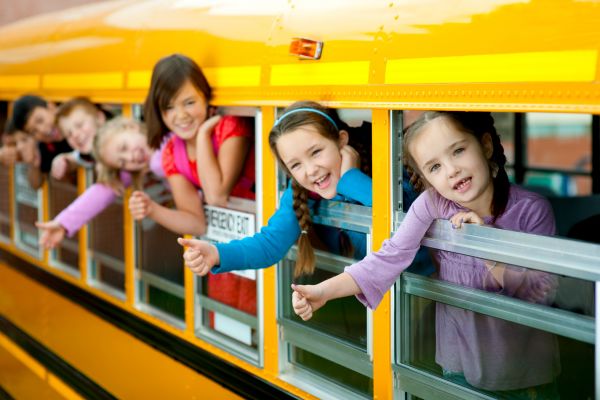
The back-to-school season has a feeling of its own. New notebooks, fresh routines, early mornings, packed lunches, and that small mix of excitement and nerves that comes with stepping into a new term. Clothes are part of that feeling too. They help children and teens feel prepared, comfortable, and a little more confident as they return to classrooms, hallways, playgrounds, and after-school activities.
A good Back-to-school fashion checklist is not about buying everything new or chasing every trend that appears online. It is about building a wardrobe that works. The right school outfits should be practical enough for busy days, stylish enough to feel current, and comfortable enough to last from the first lesson to the final bell. Whether a school has a strict uniform, a relaxed dress code, or something in between, the goal is the same: easy outfits that make mornings smoother.
Back-to-school dressing is also a chance to reset. It is the perfect time to clear out what no longer fits, refresh the basics, and add a few pieces that bring personality into everyday outfits. The best wardrobes are not the biggest ones. They are the ones where almost everything can be worn, mixed, layered, and repeated without much fuss.
Start With a Wardrobe Check Before Buying Anything
Before thinking about new school clothes, it helps to look at what is already there. Children grow quickly, and sometimes last term’s trousers are suddenly too short or a favorite sweatshirt has become tight at the shoulders. Other pieces may still fit perfectly but simply need washing, repairing, or pairing differently.
A wardrobe check saves money and prevents overbuying. It also shows what is actually missing. Maybe there are plenty of T-shirts but not enough school-appropriate trousers. Maybe the sneakers still fit, but the jacket is too small. Maybe there are three hoodies but no lightweight layers for warmer days.
This step may sound simple, but it makes the whole shopping process easier. It turns back-to-school fashion from a rushed guessing game into a more thoughtful plan. Once the basics are clear, it becomes easier to choose pieces that will be worn often rather than items that look nice for one week and then disappear into the back of a drawer.
Build Around Comfortable Everyday Basics
Every school wardrobe needs dependable basics. These are the pieces that do most of the work: plain tees, polo shirts, soft sweatshirts, school shirts, leggings, joggers, jeans, chinos, cardigans, and simple skirts or dresses where appropriate. They may not be the most exciting items, but they make daily dressing much easier.
Comfort should always come first. School days are long, and clothes need to support sitting, walking, playing, carrying bags, and sometimes dealing with unpredictable weather. Soft cotton, breathable jersey, stretch denim, and relaxed fits usually work better than stiff or overly fitted pieces.
The best basics are easy to mix. A white tee can sit under a hoodie, a cardigan, or a denim jacket. Navy trousers can work with almost any top. A grey sweatshirt can be worn with jeans, joggers, or a uniform skirt. When basics are chosen carefully, they create the quiet foundation of a practical school wardrobe.
Choose Shoes That Can Handle Real School Days
Shoes are one of the most important parts of any back-to-school wardrobe. They need to be comfortable, supportive, and durable. A pair may look stylish in the shop, but if it rubs, slips, or feels heavy after a few hours, it will not be useful for school life.
For everyday wear, clean sneakers, sturdy school shoes, flexible loafers, or comfortable trainers are usually the most practical choices, depending on the school rules. Neutral colors like black, white, navy, grey, or tan tend to match more outfits and are easier to repeat throughout the week.
It is also worth thinking about closures. Younger children may do better with Velcro straps or slip-on styles, while older kids and teens may prefer lace-up sneakers or simple leather-look shoes. The goal is not only style. It is independence, comfort, and fewer morning delays at the front door.
Add Layers for Changing Weather
Back-to-school season often sits between seasons, which makes layering essential. Mornings can be cool, afternoons can feel warm, and classrooms may have their own temperature altogether. A good layering plan keeps outfits flexible.
Lightweight jackets, zip hoodies, cardigans, overshirts, fleece layers, denim jackets, and sleeveless puffers can all work well. These pieces are easy to add or remove, and they can completely change the mood of an outfit. A simple tee and jeans feel more polished with a cardigan. A uniform shirt feels more relaxed with a soft sweater. A casual dress becomes school-ready with leggings and a jacket.
Layering also helps clothes last longer across seasons. Summer tops can be worn into autumn under hoodies or cardigans. Dresses can work with tights. Short-sleeve shirts can be paired with warm outerwear. This makes the wardrobe more useful without needing a full seasonal replacement.
Keep School Dress Codes in Mind
Every school has its own rules, and ignoring them usually leads to frustration. Some schools require uniforms, while others have dress codes around colors, logos, skirt length, footwear, jewelry, or sportswear. A smart back-to-school wardrobe respects these rules while still leaving room for personal style.
If uniforms are required, the focus shifts to fit, comfort, and small details. Well-fitting shirts, comfortable trousers, soft socks, durable shoes, and neat outerwear can make a big difference. Accessories like hair clips, backpacks, lunch bags, and socks may offer subtle ways to show personality, as long as they follow school guidelines.
For schools without uniforms, it helps to choose clothes that feel stylish but still classroom-appropriate. That usually means avoiding anything too tight, too revealing, too distracting, or too uncomfortable. A relaxed outfit can still look put together when the colors, fit, and layers work well together.
Pick a Few Trend Pieces Without Overdoing It
Trends are fun, especially for older kids and teens who want to express themselves. Still, a school wardrobe works best when trends are used lightly. One or two current pieces can refresh a whole set of basics without making the wardrobe feel difficult to style.
In recent back-to-school fashion, relaxed denim, cargo trousers, varsity-style jackets, oversized sweatshirts, ribbed tops, wide-leg pants, sporty sneakers, and soft neutral sets have all become popular. These pieces are easy to wear and can be styled in different ways. A pair of cargo pants, for example, can work with a plain tee, a hoodie, or a button-up overshirt.
The trick is to avoid buying too many statement items at once. Trend-heavy wardrobes can become hard to mix, and children may lose interest quickly. A better approach is to keep most pieces classic and add small trend details through colors, shapes, or accessories.
Make Backpacks Part of the Outfit
A backpack is more than a school supply. It is worn almost every day, so it naturally becomes part of a child’s style. The best backpacks balance appearance with function. They need enough space for books, lunch, water bottles, stationery, and sometimes sports clothes or devices.
For younger children, playful prints and cheerful colors can make school feel more exciting. For older kids and teens, simple backpacks in black, beige, navy, olive, grey, or muted pastels often feel more grown-up and easier to match with outfits. Padded straps, strong zippers, water-resistant fabric, and practical compartments matter just as much as the design.
A stylish backpack does not have to be loud. Sometimes the cleanest design is the one that works with everything. Since it will be carried so often, it is worth choosing one that feels comfortable and suits everyday school life.
Do Not Forget Socks, Undergarments, and Small Essentials
The small things are easy to overlook, but they matter. Socks, undergarments, tights, hair ties, undershirts, and basic layering pieces often decide whether an outfit feels comfortable throughout the day. A complete Back-to-school fashion checklist should include these quiet essentials.
Soft socks that do not slip inside shoes can prevent discomfort. Breathable undergarments help children feel at ease during long school hours. Tights and leggings can make dresses and skirts more practical in cooler weather. Simple undershirts can add warmth without changing the outfit.
It is also useful to have extras. School mornings are rarely perfect, and missing socks can somehow create more stress than a missing notebook. Keeping enough basics ready makes the routine smoother for everyone.
Plan Outfits That Can Be Mixed and Repeated
A useful school wardrobe should not depend on one-perfect-outfit combinations. Children need clothes that can be repeated, mixed, washed, and worn again without too much thought. This is where color coordination helps.
Neutral shades like navy, grey, white, black, denim blue, beige, and olive work well as a base. Then softer colors or brighter accents can be added through tops, shoes, jackets, or accessories. When most items belong to a similar color family, getting dressed becomes easier.
Repeating outfits should also feel normal. Children do not need a completely different look every day. A sweatshirt can be worn with jeans one day and joggers the next. A skirt can be paired with a polo shirt, then a sweater. A denim jacket can work across several outfits. The more flexible the pieces are, the less pressure there is to keep buying more.
Choose Fabrics That Survive Washing
School clothes go through a lot. They face lunch spills, playground dust, art supplies, rain, sweat, and repeated washing. Fabric quality matters because clothes that lose shape quickly become frustrating.
Cotton blends, stretch denim, thicker jersey, fleece, corduroy, twill, and durable knitwear usually hold up better for daily use. Very delicate fabrics may look lovely, but they are not always practical for school. If a piece needs special care every time it is washed, it may not be the best everyday choice.
It is also helpful to check seams, buttons, zippers, and waistbands before buying. A neat finish can tell a lot about how long an item may last. School fashion should look good, but it also needs to survive real life.
Let Personal Style Show in Small Ways
Back-to-school dressing should not feel like removing personality. Even with rules and routines, children can show who they are through small style choices. A favorite color, a printed backpack, fun socks, a hair accessory, a graphic tee under a jacket, or a pair of sneakers can make an outfit feel more personal.
For younger kids, this might mean choosing between two tops or picking a jacket they love. For teens, it may mean shaping a look around relaxed streetwear, sporty pieces, soft neutrals, classic denim, or minimalist outfits. Giving them some control can make school mornings easier because they feel involved.
Personal style does not need to be dramatic. Often, confidence comes from feeling comfortable and recognizable in your own clothes. That matters at school, where days can already feel full of social and academic pressure.
Prepare for Sports, Activities, and After-School Plans
School fashion is not only about classroom outfits. Many students also need clothes for sports, clubs, dance, art, tutoring, or after-school visits with friends. Planning for these activities helps avoid last-minute outfit problems.
Comfortable activewear, breathable T-shirts, sports shoes, leggings, shorts, hoodies, and an extra layer can be useful depending on the routine. Some children may need a separate gym bag or a change of clothes for certain days. Others may simply need outfits that can move easily from school to casual activities.
The goal is to make the wardrobe fit the child’s actual week. A student who plays outside every afternoon needs different clothing from one who goes straight to study sessions or music lessons. Fashion works best when it supports real life instead of pretending every day looks the same.
Conclusion
A thoughtful Back-to-school fashion checklist is about much more than new clothes. It is about comfort, confidence, practicality, and creating a wardrobe that can handle the rhythm of school life. The strongest pieces are the ones that fit well, wash easily, mix with other items, and let children move through their day without feeling restricted.
Back-to-school style does not have to be complicated. A few reliable basics, comfortable shoes, useful layers, a practical backpack, and small touches of personality can make a big difference. Trends can be added, but they should never overpower the need for comfort and function.
In the end, the best school wardrobe is one that helps mornings feel a little calmer and children feel a little more ready. When clothes support learning, playing, growing, and self-expression, they become more than outfits. They become part of a fresh start.