
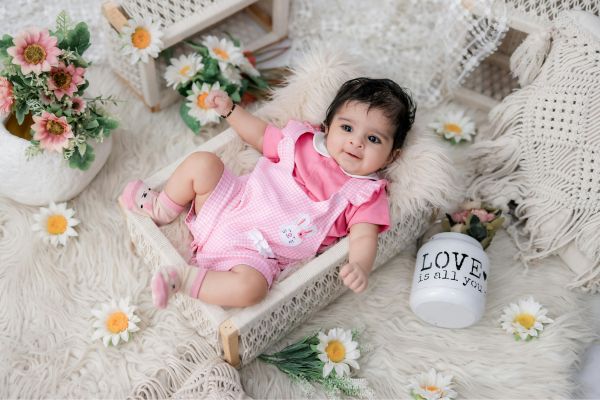
Children rarely stand still for long. They crawl under tables, race across playgrounds, sit cross-legged on the floor, and somehow collect crumbs in places that seem physically impossible. Their clothes need to keep up with all of it. At the same time, many parents still want outfits that look cheerful, coordinated, and full of personality.
That is where cute and comfy kids outfits find their sweet spot. They combine soft fabrics and practical shapes with colors, prints, and small details that make getting dressed more enjoyable. The aim is not to create a perfect miniature wardrobe. It is to choose clothing that lets children look like themselves while moving through the day without pinching waistbands, scratchy labels, or constant adjustments.
Comfort Begins With the Right Fabric
Fabric is usually the first clue to whether an outfit will feel good after several hours of wear. Cotton remains a dependable everyday choice because it is soft, breathable, and generally easy to wash. Cotton jersey works especially well for T-shirts, leggings, dresses, and relaxed trousers because it stretches naturally with movement.
Other gentle options include bamboo blends, lightweight muslin, soft fleece, and carefully chosen knitwear. Linen can be lovely in warm weather, although softer blends are often more comfortable for active children than crisp, structured linen. In cooler months, brushed cotton and fine knits provide warmth without creating too much bulk.
Texture matters just as much as the fabric name. A jumper may look charming on a hanger, but if it feels rough against the wrist or neck, it may spend most of its life folded in a drawer. Running a hand along the inside seams, collar, and waistband before choosing an item can reveal more than the front design ever will.
Relaxed Shapes Make Everyday Movement Easier
Children need room to bend, climb, stretch, and tumble. Clothes that are very fitted may look neat in a photograph but can quickly become uncomfortable during ordinary play. Relaxed silhouettes tend to work better, particularly when they include elasticated waists, stretchy cuffs, or adjustable features.
Joggers paired with a soft top are a classic example. The shape is casual, but thoughtful color combinations can make the outfit feel put together. Loose dungarees worn over a striped T-shirt offer the same freedom with a little extra character. For children who enjoy dresses, T-shirt dresses and sweatshirt dresses allow easy movement without feeling overly formal.
Oversized clothing can also be comfortable, but there is a limit. Sleeves that cover the hands or trousers that gather heavily around the ankles may get in the way. The best fit feels roomy without becoming awkward. A child should be able to move naturally without repeatedly pulling, rolling, or fixing the garment.
Simple Outfits Can Still Feel Special
A practical wardrobe does not have to look plain. Often, the most appealing children’s outfits are built from simple pieces with one playful element. A neutral sweatshirt might feature a small embroidered rainbow. A basic pair of leggings could be worn with a bright patterned tunic. Even contrasting socks can add a little fun.
Color plays an important role here. Soft pastels create a gentle look, while primary shades feel energetic and cheerful. Earthy greens, warm yellows, muted blues, and berry tones are easy to mix across seasons. Neutral colors such as cream, grey, navy, and soft brown help balance stronger prints and make repeat outfits less obvious.
Children often have firm opinions about what counts as cute. One may love dinosaurs, another may insist on flowers, and someone else may want everything in green. Allowing those preferences into the wardrobe makes clothes feel personal. It can also make the morning routine slightly easier, which is no small victory.
Easy Outfit Formulas for Busy Mornings
The most useful cute and comfy kids outfits are usually the ones that require very little planning. A soft printed T-shirt, pull-on trousers, and trainers create a reliable outfit for school, errands, or casual play. In cooler weather, adding a zip-up hoodie or lightweight jacket completes the look without restricting movement.
Matching sets are another practical option. Sweatshirt-and-jogger combinations look coordinated even when everyone is running late. They can also be separated and mixed with other basics, giving a small wardrobe more range. Sets in solid colors, subtle patterns, or gentle color blocking tend to be particularly versatile.
For a slightly dressier occasion, comfort can still lead the decision. A jersey dress with leggings, a knitted polo with soft chinos, or relaxed overalls with a collared shirt can look polished without feeling stiff. Smart clothes do not need hard waistbands and fussy fastenings. Children are still children at family gatherings, after all.
Layering Helps Outfits Adapt Throughout the Day
Temperatures can change quickly between cool mornings, warm classrooms, windy playgrounds, and air-conditioned shops. Light layers make those changes easier to manage.
Start with a breathable base, such as a cotton tee or long-sleeved top. Add a cardigan, overshirt, hoodie, or light knit that can be removed without taking apart the whole outfit. In cold weather, a padded vest can provide warmth while leaving the arms free. This is useful for active children who dislike the heavy feeling of a thick coat.
Layers can also create visual interest. A checked overshirt over a plain tee makes an uncomplicated outfit feel more styled. A bright cardigan can lift a neutral dress, while a denim jacket works with joggers, leggings, and casual dresses alike. The trick is keeping each layer soft enough to sit comfortably over the one beneath it.
Seasonal Dressing Should Stay Practical
Warm-weather clothing needs airflow and simplicity. Loose shorts, cotton rompers, T-shirt dresses, and lightweight tops help children remain comfortable during active days. Pale colors can feel fresh, but prints are often more forgiving when ice cream or grass stains appear.
In autumn and winter, warmth is best built gradually. Thick clothing is not automatically more comfortable, especially indoors. A breathable top, soft jumper, flexible trousers, and weather-appropriate outerwear usually work better than one extremely heavy layer.
Rainy days call for practical protection, but waterproof clothing should still allow movement. A roomy raincoat worn over a sweatshirt and leggings can feel much easier than stiff outerwear. Footwear matters too. Shoes should suit the activity, fit properly, and be manageable for the child’s age. A beautiful outfit loses its charm rather quickly when the shoes hurt.
Small Details Can Make a Big Difference
Fastenings, seams, labels, and waistbands may seem minor to adults, but children notice them. Younger kids often benefit from wide neck openings, snap fasteners, pull-on bottoms, and simple zips. Older children may appreciate adjustable waists and pockets large enough to hold their little treasures.
Tags can cause irritation, particularly for children with sensory sensitivities. Flat seams, tag-free labels, and soft elastic help reduce distractions. Decorative details should also be checked carefully. Sequins, stiff appliqués, and rough embroidery may look attractive from the outside while feeling uncomfortable against the skin.
Clothing should support growing independence as well. If a child can put on a garment, remove it, and manage the fastenings without constant help, the outfit becomes more useful. Comfort is emotional as well as physical; confidence counts.
A Flexible Wardrobe Reduces Daily Fuss
A wardrobe works better when most pieces can be worn together. This does not require choosing one strict color palette, but a little coordination helps. Tops that match several bottoms, cardigans that work over dresses and T-shirts, and outerwear that suits different outfits reduce the need for complicated decisions.
Durability also deserves attention. Children’s clothes face frequent washing, energetic play, food spills, paint, mud, and the occasional mysterious mark. Fabrics that hold their shape and colors that remain lively after washing make everyday outfits more dependable.
There is no need to reserve every attractive garment for a special occasion. Clothes are meant to be lived in. A favorite dress can go to the park with leggings underneath. A cheerful shirt can be worn for an ordinary lunch. Letting children enjoy their nicest comfortable pieces makes the wardrobe feel more meaningful.
Comfort and Personality Can Happily Coexist
The best cute and comfy kids outfits do not ask children to choose between looking good and feeling free. They begin with breathable fabrics, flexible fits, manageable layers, and practical details. Color, pattern, and personality then bring the clothes to life.
Trends may offer inspiration, but comfort remains the more reliable guide. When an outfit allows a child to run, play, rest, and explore without distraction, it has already done its job. If it also includes a beloved print, a bright splash of color, or pockets for collecting tiny treasures, even better.