
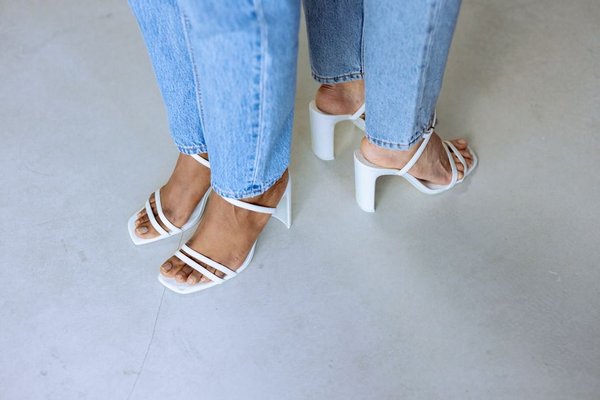
Heels can transform an outfit, but they also change how your weight moves through your feet. A pair might feel fine in front of the mirror and surprisingly tiring after a short walk. Walking in heels comfortably starts with a realistic choice of shoe, a steadier stride and a plan for how long you will actually be standing or moving.
You do not need to walk like a model. The goal is to feel secure, avoid unnecessary rubbing and know when a shoe simply does not suit your feet.
Choose Stability Before Height
A lower, wider heel is generally easier to balance on than a tall, narrow stiletto. An ankle strap or secure upper may also keep your foot from sliding forward. If you expect to walk any meaningful distance, comfort and stability should matter more than the number on the heel label.
Footwear guidance from Guy’s and St Thomas’ NHS Foundation Trust recommends a heel below 4 cm for reducing foot discomfort. That is a helpful everyday benchmark, not a promise that all low heels will fit comfortably.
Check the fit while standing and walking
There should be enough width for your toes to rest naturally. Your heel should stay secure without rubbing, and your foot should not lurch forward with every step. Walk across the shop in both shoes, then stand still for a minute. Pressure that is obvious immediately may feel worse later.
Try shoes later in the day when feet may be slightly fuller. Avoid buying a tight pair because you expect it to stretch. If you often struggle with narrow toe boxes, learning how to choose heels for wide feet is more useful than simply sizing up.
Shorten Your Stride and Slow the Pace
If you are learning how to walk in heels, start by making your steps smaller. Long strides and sudden changes of direction can throw you off balance, especially when the heel is narrow. Keep your knees relaxed and point your feet generally toward where you want to go.
Move from heel to forefoot gently
On level, secure ground, set the heel down softly and let your weight move forward through the shoe. Avoid striking the heel forcefully or walking constantly on tiptoe. The motion should be natural and controlled rather than exaggerated.
Keep your head up, shoulders relaxed and torso upright. Look ahead for obstacles instead of staring continuously at your shoes. Let your arms move naturally for balance. This heel walking technique becomes more reliable when practised slowly rather than attempted for the first time on a crowded pavement.
Try a few minutes along a hallway, then practise stopping, turning and starting again. If your ankles wobble or you cannot maintain a relaxed posture, test a lower or broader heel instead of forcing yourself through it.
Plan for the Entire Outing, Not Just the Photograph
A restaurant dinner and a wedding with hours of standing demand different footwear. Consider the walk from the car, the surface underfoot, queues, stairs and how easily you can sit down.
Imagine an outdoor wedding with a gravel path and a grassy drinks reception. A narrow heel may catch or sink into the ground. A block heel gives you a broader base, while a spare pair of flats makes the journey home easier. You can also travel in comfortable shoes and change on arrival.
Before a special event, wear new heels indoors for short sessions. Check whether the strap rubs, your toes feel cramped or the shoes become slippery as your feet warm up. Increase practice time only while they remain comfortable. These are practical comfortable heels tips, not a test of endurance.
Use Cushioning Carefully and Prevent Rubbing
A slim forefoot pad can sometimes soften pressure from a hard footbed. A heel grip may reduce slight slipping. But inserts take up space, so adding several cushions to a tight shoe can make the squeeze worse. They cannot fix excessive heel height or the wrong size.
Repeated rubbing usually means skin and shoe are moving against each other. Protect an area that is prone to friction with a suitable blister plaster on intact skin, or change to a style that does not rub there. Keep feet dry and break new shoes in over short periods. NHS guidance advises protecting blisters rather than deliberately bursting them.
For heel pain prevention, look beyond gel inserts: choose the correct width, a secure fit and a manageable heel, then give your feet breaks. If choosing between styles, a comparison of block heels versus stilettos can clarify which design better suits your plans.
Watch the Surface and Take Stairs Carefully
Cobbles, wet tiles, grates and uneven pavement can catch a narrow heel. Look ahead, reduce your speed and choose a smoother route where possible. Indoors, polished floors can be slippery even when the shoes feel stable on carpet.
On stairs, use the handrail and place your foot securely on each step. Do not rush. If you cannot find stable footing, changing shoes is safer than relying on practice alone.
Know When to Change Shoes
Mild tiredness is different from sharp pain, numbness, burning or steadily increasing soreness. Stop and change footwear if those symptoms appear. High heels place more pressure toward the front of the foot, and longer wear can increase discomfort.
If pain keeps returning, interferes with ordinary activities or does not improve, seek advice from a healthcare professional or podiatrist. No walking method can make an unsuitable shoe medically safe or pain-free.
Frequently Asked Questions
What is the easiest heel style for a beginner?
Many beginners feel steadier in low block heels with a secure strap or upper. Fit matters as much as heel shape, so test the shoes by walking rather than judging them while seated.
Should you walk heel-first or toe-first?
On a stable, level surface, a gentle heel-to-forefoot motion often feels natural. Avoid exaggerated heel striking and adapt your steps to the shoe and ground.
Do gel pads make heels comfortable all day?
They may relieve some pressure, but cannot correct cramped toes, poor stability or an overly high heel. Test them before wearing them for hours.
How long can you safely wear heels?
There is no universal time limit. It depends on the shoe, your feet and your activity. Take breaks, limit prolonged standing and change shoes if discomfort begins.
Make Comfort Part of Your Outfit
Walking well in heels is a combination of the right shoe, smaller steps, practical preparation and permission to take a break. Choose a pair that works for the journey as well as the occasion. If your feet feel supported rather than squeezed, confidence tends to follow naturally.