
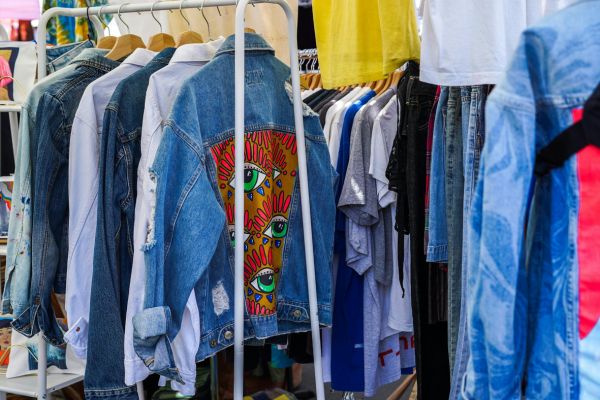
There is something quietly satisfying about finding a piece of clothing that already has a little history. A soft denim jacket with the perfect worn-in feel. A wool sweater that looks better than anything hanging in a modern store. A simple cotton shirt that somehow fits just right. Secondhand shopping has a way of making fashion feel less rushed and more personal.
For years, buying used clothes was seen by some people as a practical choice only made for saving money. That view has changed. Today, secondhand fashion is connected to sustainability, creativity, personal style, and more thoughtful consumption. The benefits of buying secondhand clothes go far beyond the price tag. It is a way to dress well while reducing waste, making better use of existing resources, and building a wardrobe that feels more individual.
Secondhand fashion is not about giving up style. In many ways, it is about rediscovering it.
Secondhand Clothes Help Reduce Fashion Waste
One of the clearest benefits of buying secondhand clothes is that it helps keep garments in use for longer. Clothing is often discarded long before it is truly worn out. Sometimes people get rid of items because their size changes, their taste shifts, or they simply bought too much in the first place. Many of these clothes still have years of life left in them.
When someone buys secondhand, they extend the life of an existing garment. That may sound simple, but it matters. A dress that might have been forgotten in storage gets worn again. A coat that no longer suits one person becomes useful to another. A pair of jeans avoids becoming waste too soon.
Fashion waste is a real issue because clothing is not as harmless as it looks once it is thrown away. Many garments contain synthetic fibers, blended fabrics, dyes, trims, buttons, zippers, and finishes that do not break down easily. Even natural fibers take resources to produce. So the longer a piece stays in circulation, the more value is drawn from the materials already used to make it.
It Lowers the Demand for Constant New Production
Buying secondhand does not stop the fashion industry overnight, of course. But it does encourage a slower relationship with clothing. Instead of always turning to newly produced items, secondhand shopping makes use of what already exists.
Every new garment requires raw materials, energy, water, labor, packaging, transport, and retail space. That process happens before the item ever reaches a wardrobe. When people buy more secondhand clothing, they reduce some of the pressure to constantly produce more and more.
This is especially important in a culture where trends change quickly. Fast fashion has trained many people to think of clothes as temporary. A top is worn a few times, then replaced by the next trend. Secondhand fashion interrupts that cycle. It reminds us that clothes do not lose value just because they are not brand new.
Secondhand Shopping Can Be Better for Your Budget
The financial side is one of the most obvious reasons people turn to secondhand clothes. Good-quality clothing can be expensive when bought new, but secondhand stores, resale platforms, vintage markets, and charity shops often make better pieces more accessible.
A beginner may start by looking for basics: jeans, coats, shirts, sweaters, bags, or shoes. Over time, it becomes easier to recognize quality. You may find a well-made blazer for less than the cost of a fast-fashion jacket. You may discover leather shoes, pure cotton shirts, or wool knitwear at prices that feel surprisingly reasonable.
Still, the budget benefit works best when shopping remains thoughtful. Buying five things you do not need just because they are cheap is not really saving money. The real value comes from choosing pieces you will wear often. A secondhand item that becomes part of your everyday wardrobe is worth far more than a low-priced impulse buy that sits untouched.
It Helps You Build a More Personal Wardrobe
One of the nicest things about secondhand clothing is that it breaks the sameness of modern shopping. In many high-street stores, the same cuts, colors, and trends appear everywhere at once. Secondhand shops are different. They bring together clothing from different years, brands, styles, and people.
That variety makes personal style more interesting. You are not limited to what is currently trending. You might find a 90s denim shirt, a soft cardigan from an old label, a tailored coat, a printed silk scarf, or a dress with a cut that is no longer common. These pieces can make a wardrobe feel layered and lived-in rather than copied from a display.
Secondhand fashion also encourages experimentation. Since prices are often lower, people may feel freer to try colors, textures, or silhouettes they would normally avoid. Sometimes that is how personal style grows. A thrifted jacket or vintage skirt can introduce a new direction without the pressure of a major purchase.
Older Clothes Can Offer Surprising Quality
Not every secondhand item is high quality, but many older garments are surprisingly well made. Some were produced before ultra-fast fashion became so dominant. They may have stronger seams, better fabric, careful tailoring, or details that are harder to find in many newer low-cost pieces.
When shopping secondhand, you begin to notice these things. You feel the weight of denim. You check the lining of a coat. You look at buttons, stitching, hems, and fabric labels. Over time, this makes you a better shopper in general.
This skill is useful even outside thrift stores. Once you understand how good fabric feels or how a well-constructed garment is finished, you become less likely to be impressed by poor-quality clothing just because it is new. Secondhand shopping trains the eye and hand. It teaches patience, judgment, and appreciation for clothes that are built to last.
Buying Secondhand Supports a Slower Mindset
Fashion can easily become emotional. People shop when they are bored, stressed, excited, sad, or simply influenced by what they see online. Secondhand shopping often slows that process down. It asks for more attention.
You usually cannot walk into a thrift store and instantly find every item in every size. You have to browse. You have to inspect. You have to think. That slower pace can be healthy. It gives you time to decide whether you truly want something or whether you are just caught in the moment.
This slower mindset is one of the deeper benefits of buying secondhand clothes. It changes shopping from a quick reaction into a more considered habit. You start asking better questions. Will I wear this? Does it fit my real life? Can I style it with what I already own? Is the fabric comfortable? Does it feel like me?
Those small questions help prevent clutter and regret.
It Makes Fashion More Creative
Secondhand fashion has a creative energy that new clothing often lacks. Because the selection is unpredictable, you have to use imagination. A large shirt can become a relaxed overshirt. A vintage belt can change the shape of a dress. A plain coat can feel fresh with a thrifted scarf. Even small styling choices can give old clothes new life.
Some people take this further through upcycling and repair. They shorten hems, replace buttons, dye faded fabric, patch denim, or turn unwanted garments into something completely different. This hands-on relationship with clothing is refreshing. It makes fashion feel less disposable and more personal.
Creativity also comes from mixing eras and styles. A modern pair of trousers with a vintage blouse. A secondhand blazer over a simple T-shirt. Old boots with a newer dress. These combinations can feel more authentic than outfits made only from current trends.
Secondhand Clothes Can Reduce Wardrobe Guilt
Many people feel uneasy about fashion now. They enjoy clothes, but they also know that overconsumption has consequences. This can create a kind of wardrobe guilt, especially when social media keeps encouraging more buying.
Secondhand clothing offers a more balanced path. It allows people to enjoy style while making use of existing garments. It is not perfect, and it does not mean every purchase is automatically sustainable. But it can make fashion feel less wasteful and more intentional.
There is also comfort in knowing that a piece has been given another chance. Instead of adding something brand new into the cycle, you are choosing something already made. That can make shopping feel lighter, both emotionally and environmentally.
It Encourages Better Care for Clothes
When you buy secondhand, you often become more aware of the life cycle of clothing. You see what lasts and what does not. You notice which fabrics age well, which seams hold up, and which items still look beautiful after years of wear. This can naturally encourage better care.
You may start washing clothes more gently, air drying delicate items, repairing small holes, or storing knitwear properly. These habits help clothes last longer, whether they were bought new or secondhand.
Care is an important part of sustainable fashion. Buying secondhand is a strong start, but keeping clothes in good condition is what extends their usefulness even further. A well-cared-for garment can pass through many hands and still remain valuable.
It Connects Fashion With Community
Secondhand shopping often has a community feeling. Charity shops, local thrift stores, clothing swaps, flea markets, and vintage stalls all create a different atmosphere from regular retail. There is more conversation, more discovery, and sometimes more connection.
Clothing swaps, in particular, show how fashion can move between people without always involving new purchases. One person’s unworn dress becomes another person’s favorite outfit. A jacket that no longer fits finds a new owner. These exchanges make clothing feel less like a product and more like a shared resource.
Even when shopping alone, secondhand fashion carries a sense of connection. Someone chose that item before you. Someone wore it, stored it, donated it, or sold it. Now it enters a new chapter. That may sound a little sentimental, but it is part of the appeal.
Conclusion
The benefits of buying secondhand clothes reach into many parts of life. It can save money, reduce waste, support a slower approach to fashion, and help people build wardrobes with more character. It also encourages a deeper respect for clothing itself: the fabric, the making, the care, and the years of use still left in a garment.
Secondhand shopping is not about perfection. It is not about never buying new again or turning every wardrobe decision into a serious moral test. It is simply a more thoughtful way to enjoy fashion. Each secondhand piece is a small reminder that style does not have to depend on constant newness.
Sometimes, the best clothes are not the ones fresh from a rack. They are the ones already made, already waiting, and ready to be worn again.