
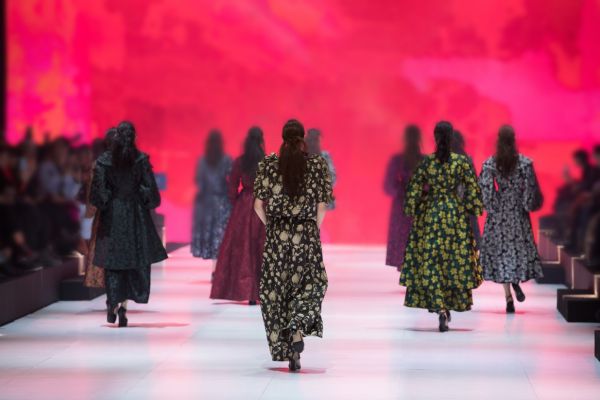
From the outside, fashion shows often look effortless. Models glide down the runway under dramatic lighting, music pulses through carefully designed spaces, and every outfit appears timed to perfection. The audience sees about fifteen minutes of polished presentation. What they rarely see is the intense planning process unfolding months beforehand.
Fashion shows exist somewhere between theater, logistics, design, and storytelling. They are creative productions with moving parts that depend on precision, collaboration, and adaptability. Even the smallest detail can affect the overall experience, from the pace of the runway walk to the texture of the seating arrangement.
Understanding how fashion shows are planned reveals just how much unseen work goes into those brief moments on the runway. Beneath the glamour is a carefully coordinated system that blends creativity with organization in ways many people never fully realize.
The Idea Begins Long Before the Runway
Most fashion shows start with a concept rather than clothing alone. Designers and creative teams usually begin by building a theme or emotional direction for the collection.
Sometimes inspiration comes from architecture, films, cities, memories, or cultural references. Other times, the collection grows from fabric experimentation or changing social moods. A show centered around minimalism feels entirely different from one inspired by rebellion or nostalgia.
This early stage shapes almost everything that follows. The lighting, music, casting, venue design, makeup, and styling choices all eventually connect back to the original creative vision.
Planning often begins months ahead of fashion week schedules because collections require time not only to design but also to coordinate across multiple teams.
Choosing the Right Venue Matters More Than People Think
Location plays a major role in how audiences experience a fashion show. The venue becomes part of the storytelling itself.
Some designers prefer industrial warehouses because they create a raw, modern atmosphere. Others choose historic buildings, rooftop spaces, art galleries, or even outdoor environments. In recent years, fashion shows have also taken place in unexpected locations like train stations, beaches, parking garages, and abandoned factories.
The venue affects practical considerations too. Seating layouts, backstage space, lighting capabilities, model flow, and camera positioning all depend heavily on the environment.
A visually stunning location may still create logistical problems if it lacks proper backstage access or technical infrastructure. Because of this, scouting venues becomes a balance between creativity and functionality.
Building the Collection Under Tight Deadlines
While venue planning develops, designers continue refining the actual collection. This stage often becomes one of the most demanding parts of the process.
Fashion collections evolve constantly before showtime. Garments are adjusted, fabrics changed, silhouettes refined, and entire looks occasionally removed at the last minute. Some pieces require multiple fittings before they finally move correctly on the runway.
The pressure intensifies because collections are tied to strict seasonal schedules. Designers working toward fashion week deadlines rarely have unlimited time.
Behind the scenes, pattern makers, seamstresses, tailors, textile specialists, and studio assistants work long hours preparing garments for presentation. Even minor construction details matter because runway lighting and photography reveal imperfections quickly.
Despite the pressure, many designers describe this stage as deeply collaborative. Fashion shows may spotlight one creative director publicly, but the finished collection usually reflects the effort of entire teams.
Casting Models Is a Careful Process
Model casting shapes the visual rhythm of a show more than many people realize. Different models bring entirely different energy to the runway.
Casting directors and designers often review hundreds of options before selecting the final lineup. Height, walk style, facial expression, personality, and how garments move on a specific body all influence decisions.
Certain collections demand sharp, dramatic runway presence, while others require softer or more natural movement. Diversity has also become a growing focus in modern fashion casting conversations, pushing the industry toward broader representation.
Fittings begin once models are selected. During fittings, stylists and designers decide which looks suit each model best. Sometimes adjustments happen immediately if clothing proportions don’t work as expected.
Even after casting is finalized, schedules can change unexpectedly. Travel delays, illness, or overlapping bookings occasionally force last-minute replacements.
Styling Connects the Entire Show Together
Clothing alone rarely defines the final runway presentation. Styling creates cohesion between individual looks.
Stylists work closely with designers to determine how outfits should appear on the runway. Accessories, shoes, jewelry, layering, and even subtle details like sock choices can affect how a collection feels visually.
Hair and makeup teams also become central to the planning process. Beauty looks are designed to complement the collection without overpowering it. In some shows, makeup remains intentionally minimal. In others, dramatic beauty choices become part of the artistic statement itself.
Backstage during preparation can feel surprisingly chaotic. Hairdryers hum constantly, makeup artists move quickly between stations, and stylists organize racks filled with carefully labeled outfits.
Still, beneath the apparent chaos, timing remains extremely structured.
Music and Lighting Shape Emotional Impact
People often underestimate how strongly sound and lighting influence runway experiences.
Music sets pacing. A slow soundtrack changes the mood entirely compared to fast electronic beats or orchestral arrangements. Some designers collaborate directly with composers or DJs to create custom soundscapes for their presentations.
Lighting works similarly. Bright white lighting emphasizes garment detail clearly, while dim or colored lighting creates atmosphere and drama.
Technical rehearsals become essential because timing must align perfectly. Models walk according to musical cues, lighting transitions follow runway pacing, and photographers rely on consistent visibility.
Even slight technical mistakes can disrupt the overall presentation.
Seating Arrangements Carry Their Own Politics
Fashion show seating may seem simple from the outside, but it often involves complicated planning.
Editors, celebrities, buyers, influencers, photographers, and industry insiders are strategically placed throughout the venue. Front-row seating especially carries symbolic importance within fashion culture.
Public relations teams spend significant time coordinating guest lists and invitations. Fashion week calendars are crowded, and overlapping schedules make attendance coordination surprisingly difficult.
There’s also an emotional layer to seating. Designers want influential guests present, but they also want the audience to reflect the atmosphere and identity of the brand or collection.
In many ways, the audience becomes part of the visual presentation too.
Backstage Is Organized Chaos
Few places feel as intense as backstage moments before a fashion show begins.
Steamers hiss continuously while stylists make last-minute adjustments. Makeup artists retouch faces under bright lights. Production coordinators rush between stations checking timing.
Despite months of preparation, final moments often involve rapid problem-solving. Zippers break. Shoes go missing. Garments need emergency alterations minutes before models step onto the runway.
Dress rehearsals help reduce surprises, but unpredictability remains part of live fashion presentations.
What’s remarkable is how calm the runway itself usually appears compared to the backstage environment hidden just behind the curtains.
Technology Has Changed Modern Fashion Shows
Technology now shapes fashion show planning in ways that barely existed a decade ago.
Livestreaming allows global audiences to watch collections instantly. Social media influences how shows are staged because moments need to photograph well across multiple platforms.
Some brands incorporate digital projections, immersive sound design, or virtual environments into runway presentations. Others intentionally move in the opposite direction, creating stripped-back shows focused purely on craftsmanship.
The rise of online visibility has also accelerated the pace of fashion coverage. Images circulate worldwide within minutes, increasing pressure on brands to create memorable visual moments.
Still, despite technological shifts, the core goal remains similar: presenting clothing within a compelling atmosphere.
The Emotional Weight Behind the Final Walk
For designers, the moments before a show begins can feel deeply emotional. Months of work suddenly become public all at once.
Fashion shows are not only presentations of clothing. They represent creative risk, financial investment, exhaustion, ambition, and personal identity. That emotional intensity often explains why runway finales feel so charged.
When designers step onto the runway at the end, the audience usually sees only a brief bow. What they don’t see are the sleepless nights, production meetings, failed samples, scheduling crises, and hundreds of decisions leading to that moment.
The show itself may last fifteen minutes. The preparation behind it can consume half a year.
Conclusion
Learning how fashion shows are planned reveals a world far more complex than the polished runway images audiences typically see. Beneath the lighting, music, and carefully styled looks exists an intricate process involving creativity, logistics, collaboration, and constant adaptation.
Every detail, from venue selection to model casting and backstage coordination, contributes to the final experience. Fashion shows succeed not simply because beautiful clothing exists, but because dozens of creative and technical elements come together in precise harmony.
What makes fashion shows fascinating is not only the glamour people associate with them, but also the human effort behind the scenes. They are temporary productions built through months of planning, teamwork, stress, and imagination — all for a few unforgettable moments under the runway lights.