
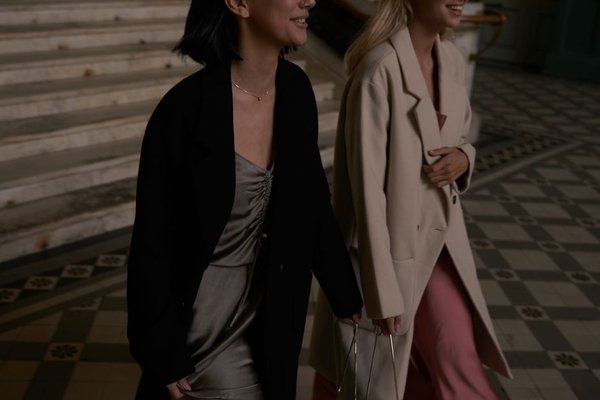
A winter coat does more than finish an outfit in Britain. On a damp November platform, a windy seafront or a frosty school run, it often becomes the outfit. That is why the most useful winter coat trends in the UK blend a strong silhouette with enough practicality to earn regular wear. For autumn and winter 2026, polished tailoring sits alongside padded shapes, countryside influences and more adventurous colour. The interesting question is not simply which coat looks current, but which version works with your actual winter.
Structured wool coats make everyday dressing look sharper
Long, tailored wool coats remain a dependable starting point, but this season the shape feels especially deliberate. Look for defined shoulders, clean lapels and a straight or gently shaped line rather than excessive decoration. Chocolate brown and espresso offer a softer alternative to black while looking equally convincing with denim, office trousers and knit dresses.
A wool-rich coat can feel substantial without being waterproof. Check the fabric composition, lining and care label, and remember that a beautiful brushed finish may need more maintenance in persistent drizzle. Try the coat over your thickest jumper before choosing a size; the shoulders should sit comfortably and the buttons should close without pulling.
Funnel necks bring both shape and shelter
One of the more practical changes in cold weather outerwear is the return of the high, sculptural collar. Funnel-neck wool jackets, parkas and padded coats create a modern outline even when the rest of the outfit is simple. They also help block a chilly breeze around the neck, although a fashion collar alone will not replace a properly insulated coat.
The strongest designs look intentional when worn open as well as fastened. For a London commute, picture a dark funnel-neck coat over a grey jumper, relaxed trousers and waterproof ankle boots. The collar adds interest without requiring a separate statement accessory. Anyone who dislikes fabric touching the chin should check the fastening in person.
Puffer coats look more considered
Puffers have moved far beyond the oversized, ultra-shiny jacket. Current versions include longline silhouettes, subtle quilting, belted waists and more restrained finishes. A matte navy or olive puffer works particularly well for everyday winter coats in the UK, where wind and showers often matter as much as the temperature.
Do not judge warmth by puffiness alone. Insulation type, fill amount, wind resistance and overall construction all contribute. Check whether the outer fabric is water-resistant or genuinely waterproof; those terms are not interchangeable. A hood, adjustable cuffs and a two-way zip can be more valuable than a fashionable colour when walking or using public transport.
Heritage checks and country-inspired coats return
British countryside dressing is influencing city wardrobes again, with checks, quilted outerwear, waxed-cotton styles and roomy barn jackets bringing texture to the season. The appeal lies in the contrast: a traditional-looking coat styled with contemporary jeans, crisp knitwear or sleek boots instead of a full country outfit.
A checked car coat can make plain black trousers look purposeful, while a quilted jacket works over an autumn knit on milder days. Be realistic about warmth, though. Many barn jackets and lightweight quilted pieces are transitional layers, not substitutes for a properly insulated coat in January. For more outfit combinations, explore our guide to styling winter layers.
Leather and suede add a tougher finish
Leather outerwear is another strong direction, from oversized jackets to longer belted coats. The balance has shifted towards pieces with character: slightly worn-in finishes, interesting collars and proportions that can accommodate knitwear. A dark leather jacket looks particularly good against soft wool, corduroy or a knitted scarf.
Suede gives a quieter, tactile alternative, but it is less forgiving when rain arrives unexpectedly. Consider the local weather and the care routine before investing. For frequent wet-weather walking, a weather-ready coat may be a more sensible main purchase, leaving suede for drier days and shorter journeys.
Plush textures and statement details change the mood
For people who find plain outerwear uninspiring, faux-fur textures, dramatic cuffs, rich jacquards and statement collars offer a bolder route. Some runway looks are deliberately theatrical; the wearable interpretation might be a short plush jacket with understated trousers or a patterned coat over a simple monochrome outfit.
Texture can make even a neutral coat feel distinctive, but consider bulk, shedding, cleaning and whether the fabric copes well with damp conditions. If the coat is striking enough to dominate the look, keep the other layers uncomplicated. This is one of the easiest ways to enjoy directional coat trends without replacing an entire wardrobe.
Which winter coat colours feel current?
Black, charcoal, camel and navy remain useful because they mix easily with existing clothes. Brown is especially persuasive this season, from cinnamon to deep coffee shades. At the more expressive end, red, mulberry, cobalt and green give winter outfits an immediate lift. Cream looks elegant, although splashes from wet pavements make it a higher-maintenance choice.
Choose a trend that suits British weather
The smartest way to compare seasonal coat styles is to begin with your routine. Someone driving between home and work may prefer a shorter wool jacket; a person waiting for buses on exposed streets needs more coverage and wind protection. A water-resistant finish can handle some light rain, but repeated downpours call for a waterproof shell with suitable seams and closures.
It also helps to separate warmth from weather protection. A breathable rain shell over insulating knitwear may suit a wet, changeable day better than an unprotected wool coat. If you are building a small outerwear wardrobe, prioritise one genuinely weather-ready option and one more polished style rather than several coats that all perform the same job. Our guide to choosing coats for different temperatures offers another useful starting point.
Frequently asked questions
What are the main winter coat trends in the UK for 2026?
Structured brown wool coats, funnel necks, refined puffers, leather styles, heritage checks and tactile statement textures are all prominent directions. The most wearable choice depends on your climate, routine and existing wardrobe.
Are long coats still fashionable?
Yes. Long wool overcoats and full-length padded designs remain relevant. A clean, comfortable fit generally has more staying power than an exaggerated shape that is difficult to wear.
What is the best coat for a wet British winter?
For prolonged rain, prioritise a properly waterproof coat with weather-protective construction and enough room for insulating layers. Wool coats and many fashion puffers are not automatically waterproof.
Should I buy an oversized or fitted coat?
Choose the silhouette that works over your usual clothes. Relaxed cuts are useful for chunky knits, while gently tailored shapes look sharper for work. Neither is a good choice if it pulls, gaps or restricts movement.
A coat worth wearing beyond one winter
The most appealing winter coat trends balance personality with purpose. A sculptural collar, rich brown wool or distinctive check can make everyday dressing feel fresh, while good fastening, comfortable layering room and appropriate weather protection make the piece genuinely useful. Choose the coat you will reach for on an ordinary cold Tuesday, not just the one that looks best on a hanger.