
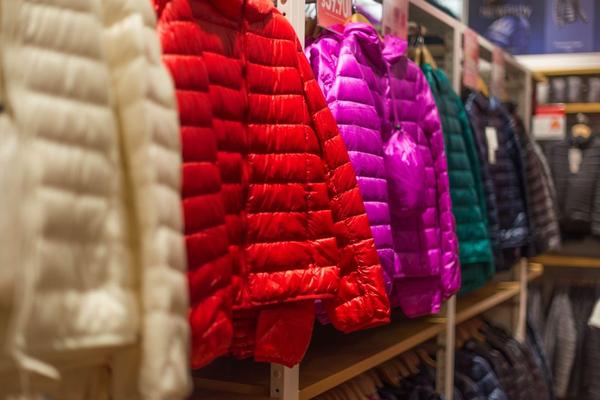
Winter colour trends in the UK are moving beyond the familiar choice between black and grey. Deep, comforting shades still work for cold mornings, but softer neutrals and unexpectedly bright accents are giving coats, knitwear and everyday layers more personality. Refreshing your winter palette does not require replacing everything you own.
For autumn and winter 2026, fashion coverage has highlighted navy, burgundy, butter yellow and vivid blue. These ideas become more useful when translated into outfits for damp pavements, packed trains and chilly weekend walks. The trick is choosing a few shades that make existing clothes feel fresh, rather than chasing every runway look.
The winter fashion colours worth knowing
Deep navy: the alternative to black
Navy is practical because it looks polished without feeling severe. British Vogue highlighted its prominence in autumn/winter 2026 collections, including Burberry. A navy wool coat, dark jeans and charcoal jumper create a tonal outfit that feels considered rather than overly coordinated.
Try navy with cream, pale blue or burgundy for contrast. A navy scarf or knit can also soften an otherwise black outfit.
Burgundy and oxblood: rich without being loud
Burgundy is a natural choice for scarves, knits and leather accessories. Its red undertones warm up charcoal, camel and dark denim. Oxblood, the deeper and browner variation, works particularly well in boots or handbags.
Let one burgundy piece lead. A wine-coloured jumper beneath a grey coat adds interest near your face, while the rest of the outfit remains understated.
Chocolate brown: an earthy foundation
Chocolate and espresso brown offer softer alternatives to black. They pair naturally with ecru, oatmeal, camel and muted olive. Dark brown trousers with a cream roll-neck and tan coat look inviting without relying on strong colours.
Undertones matter: reddish chocolate pairs beautifully with burgundy, while cooler espresso often sits more comfortably beside stone, navy and icy blue.
Icy blue and soft grey: the cooler palette
Pale blue and misty grey echo winter skies without making an outfit gloomy. A powder-blue scarf against a charcoal coat is a low-commitment way to explore this seasonal colour palette. Light blue knitwear also brightens navy outerwear and dark denim.
Texture adds depth. Ribbed wool, brushed scarves and smooth leather catch light differently, so muted layers need not look flat.
Cream and off-white: brightness without starkness
Cream, ivory and soft off-white work especially well when most of your clothes are dark. A cream jumper beneath a brown or navy coat creates a clear focal point. Creamy whites also featured in British Vogue’s 2026 colour coverage.
UK weather makes pale trouser hems and coats harder to maintain. Start with an ivory beanie, knit or scarf if rain and muddy pavements are everyday concerns.
Butter yellow: a gentle lift
Butter yellow has appeared repeatedly in 2026 fashion coverage, offering warmth without neon intensity. A soft yellow cardigan beneath a navy coat can brighten your winter outfit while keeping it relaxed. Pair it with chocolate, cream or denim and leave other pastels aside.
Muted, creamy yellows are easiest to mix. A sharper lemon shade works better as one deliberate accent.
Emerald, teal and electric blue: confident accents
Jewel greens and stronger blues can rescue a wardrobe from repetition. Teal suits grey and chocolate; emerald contrasts with black and navy. Electric blue featured prominently in autumn/winter 2026 runway reporting, yet you do not need to wear it head to toe.
A cobalt jumper with dark jeans and a charcoal coat is a manageable statement. A bright red scarf can achieve a similar effect. Try one accent first, then add more if it feels natural.
How to build a wearable winter colour palette
Choose one base shade, one supporting neutral and one accent. For example, navy can be your base, cream your light neutral and burgundy your accent. A navy coat then works with cream knitwear, burgundy accessories and the trousers you already own.
Another combination is chocolate, oatmeal and butter yellow. For a cooler look, try charcoal, icy blue and emerald. These simple groupings make morning dressing easier and prevent impulse purchases that match nothing.
Try the coat test before shopping
Your outerwear is often the most visible part of a UK winter outfit. Lay your usual coat beside two jumpers and a scarf. Check the colours together in natural daylight, rather than relying on warm shop lighting. If the scarf complements both knits and the coat, it is more likely to earn regular wear.
Imagine a typical Monday: a navy rain-resistant coat, grey trousers, black ankle boots and a burgundy scarf. Swap only the scarf for icy blue and the same practical outfit takes on a different mood. That is a useful test of colour versatility.
Getting the balance right
Trendy does not always mean wearable. A fashionable shade that clashes with everything you own may be worn less than a familiar colour in a better cut. Dressing entirely in dark shades is not necessarily dull either; contrasting wool, denim and leather adds interest without introducing another pigment.
Avoid letting too many bright accents compete. Electric blue, red and emerald can each look wonderful, but combining all three is harder to pull off for everyday dressing. For an easy statement, repeat one colour in a scarf and socks while keeping your coat and trousers neutral.
If you are exploring more ways to mix shades, a guide to colour combinations for outfits is a useful next step. Ideas for styling neutral clothing and choosing colours that suit your complexion can help refine your choices beyond a single season.
Frequently asked questions
What colours are trending for winter in the UK?
Notable autumn/winter 2026 directions include navy, burgundy, brown, creamy neutrals, butter yellow and stronger blues. Runway colours are inspiration, not rules; choose shades that suit your clothes and routine.
Can you wear light colours during a British winter?
Absolutely. Cream jumpers, pale-blue scarves and soft-grey layers brighten dark coats. In wet weather, light colours are easier to manage above the waist than on trouser hems or footwear.
What winter colours work well with black?
Burgundy, icy blue, ivory, emerald and electric blue all contrast well with black. For a quieter look, combine black with charcoal or espresso and vary the fabric textures.
How can I try a colour trend on a budget?
Start with one second-hand knit, scarf or accessory that matches at least three outfits you already wear. Check it against your main coat before spending more.
A more personal approach to winter colour
The best winter colour trends are fresh ways to wear familiar layers, not a shopping checklist. Keep the coat and boots that work, introduce a shade you genuinely enjoy, and build from there. A small, repeatable palette usually feels more stylish than following every new colour at once.