
The punk fashion movement was never just about clothes. It was a loud refusal, a ripped-up answer to polished respectability, and a visual language for people who felt ignored, angry, bored, or pushed to the edge. Before punk became a familiar style reference on runways and in streetwear, it belonged to cramped clubs, underground music scenes, and young people who used whatever they had to make themselves impossible to ignore.
Punk style did not ask for permission. It did not care whether an outfit looked expensive, flattering, or socially acceptable. In fact, that was part of the point. Torn shirts, safety pins, leather jackets, spiked hair, heavy boots, and aggressive graphics turned everyday clothing into a kind of protest. It was fashion, yes, but fashion with a sneer, a soundtrack, and a sharp political mood.
The Roots of Punk Style
The punk fashion movement began taking shape in the 1970s, especially in cities like London and New York. These were places where music, unemployment, youth frustration, and street culture collided. Punk music was fast, raw, and stripped down, and the clothing followed the same spirit. It rejected the glossy glamour of mainstream pop and the relaxed romance of earlier hippie style.
In New York, punk grew around clubs and bands that mixed art, noise, and attitude. The look was often lean, urban, and rough around the edges. In London, punk became more visibly confrontational, shaped by economic tension, class anger, and a fascination with shock. Clothing became a way to show that something had cracked beneath the surface of polite society.
What made punk different from many earlier fashion movements was its directness. It did not simply create a new look; it attacked the old one. A torn jacket was not a mistake. A shirt held together with pins was not unfinished. These details carried meaning because they challenged the idea that fashion had to be clean, complete, and approved by someone else.
Clothing as Rebellion
Punk turned ordinary garments into statements. A plain T-shirt could become provocative with a slogan, a stencil, or a rough hand-painted design. Jeans were slashed, jackets were studded, and school uniforms were twisted into something mocking and defiant. Clothing looked damaged on purpose, as if it had survived a fight with the world.
The use of safety pins became one of punk’s most famous symbols. They were practical, cheap, and slightly unsettling when worn as decoration. A safety pin through fabric, or even through skin in more extreme styling, suggested both repair and rupture. It said something was broken, but it also said the wearer would hold it together on their own terms.
Leather jackets, bondage trousers, fishnet, tartan, chains, and military-inspired pieces all became part of the visual vocabulary. These items brought tension into the outfit. They mixed danger, humor, sexuality, and social criticism in a way that was deliberately uncomfortable. Punk did not want to look smooth. It wanted to disturb the room a little.
The DIY Spirit
One of the most important parts of punk style was its do-it-yourself attitude. You did not need money to participate. In fact, looking too polished could feel suspicious. Punk valued invention over perfection. Clothes were customized at home, patched by hand, painted badly on purpose, cut with scissors, written on with marker, or assembled from thrift shops and discarded pieces.
This DIY approach gave punk its energy. Every outfit could feel personal because it was often physically changed by the person wearing it. A jacket covered in patches told a story. A ripped shirt carried the mark of someone’s hands. Even when two people wore similar pieces, the details made them different.
That handmade quality also gave punk fashion its honesty. It did not hide the process. Stitches, pins, tears, and rough edges stayed visible. The clothing showed its construction and destruction at the same time. In a world where fashion often tried to look effortless and flawless, punk made effort look messy, angry, and alive.
Hair, Makeup, and the Body as a Canvas
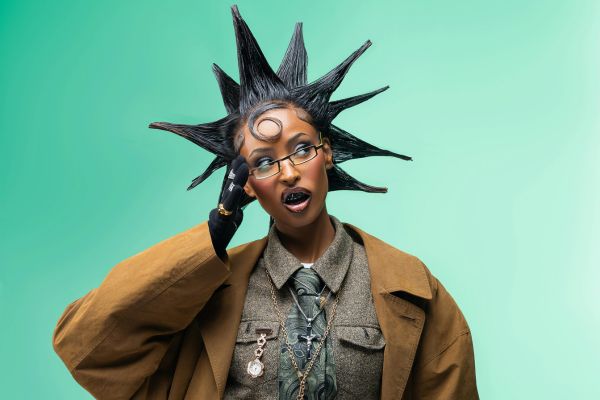
Punk fashion was never limited to clothing. Hair and makeup became just as important. Brightly dyed hair, mohawks, shaved sections, sharp black eyeliner, pale foundation, dark lips, and deliberately harsh styling pushed the look beyond ordinary street dress. The body itself became a canvas for resistance.
Hair was especially powerful because it was so visible. A mohawk or spiked hairstyle changed a person’s entire silhouette. It made the wearer stand out from a distance and challenged conventional ideas of neatness, gender, and beauty. Punk hair could be funny, dramatic, threatening, or theatrical, sometimes all at once.
Makeup also broke rules. Men wore eyeliner. Women exaggerated features instead of softening them. Beauty was not always the goal. Sometimes the aim was discomfort, drama, or refusal. Punk makeup could make the face look sharper, colder, stranger, or more expressive. It gave people permission to look how they felt, not how society expected them to appear.
Gender, Identity, and Breaking the Rules
The punk fashion movement helped blur gender boundaries in clothing. Traditional ideas of masculine and feminine dress were often mixed, mocked, or ignored. Men wore makeup, tight clothing, fishnet, or jewelry. Women wore leather, boots, cropped hair, and aggressive silhouettes. The result was not always neat or politically perfect, but it opened space for self-expression outside conventional roles.
Punk style gave many people a way to reject the idea that clothes should make them appear respectable, attractive, or obedient. A woman in ripped tights and heavy boots did not have to dress softly. A man in eyeliner did not have to dress plainly. The look could be confrontational, protective, playful, or deeply personal.
This rule-breaking quality is one reason punk continues to matter. It offered a visual escape from fixed identity. You could build yourself differently, even if only for a night at a show. You could look strange and find other people who understood the language.
Politics Woven Into the Look
Punk fashion often carried political meaning, though not every punk outfit expressed the same beliefs. Some styles reflected anger at class inequality, unemployment, consumer culture, racism, war, or government power. Slogans and symbols were used to provoke, criticize, or expose uncomfortable truths.
At times, punk also used shocking imagery in risky and controversial ways. Some of it was meant to criticize authority or expose social hypocrisy, while some of it created real tension and misunderstanding. That is part of punk’s complicated history. It was not a clean movement with one simple message. It was messy, emotional, contradictory, and sometimes deliberately offensive.
Still, at its strongest, punk clothing gave visibility to people who felt shut out of mainstream culture. It turned frustration into something wearable. It made poverty, anger, and alienation visible instead of hidden. The clothes seemed to say: we are here, and we do not plan to behave.
From Underground Scene to Mainstream Influence
Like many rebellious styles, punk eventually entered mainstream fashion. Designers borrowed its ripped fabrics, studs, leather, tartan, and graphic aggression. What once looked dangerous on the street later appeared in magazines, boutiques, and luxury collections. This shift created an obvious tension. Can punk still be punk when it becomes expensive?
The answer is complicated. On one hand, mainstream fashion softened punk’s original edge. A designer jacket with decorative studs does not carry the same meaning as a jacket customized by a teenager with no money and plenty to say. On the other hand, punk’s influence survived because its visual language was too powerful to disappear.
Today, punk details appear everywhere, from streetwear to high fashion. Combat boots, distressed denim, plaid trousers, chain jewelry, graphic tees, and leather jackets are no longer shocking by themselves. Yet when styled with intention, they can still carry a trace of punk’s original attitude.
Why Punk Style Still Feels Alive
Punk remains relevant because rebellion never fully goes out of style. Each generation finds new reasons to question authority, reject perfection, and dress against expectation. The details may change, but the instinct remains familiar. People still use clothing to say they do not fit neatly into the world handed to them.
Modern punk-inspired fashion is often less extreme than its early versions, but the spirit survives in customization, thrift culture, gender-fluid styling, political graphics, and the refusal to look overly polished. Even a small punk detail can change the mood of an outfit. A pair of heavy boots with a delicate dress. A torn hem. A jacket covered in patches. A graphic shirt that says something uncomfortable.
The lasting power of punk is not only visual. It is emotional. It gives people permission to be imperfect, loud, and self-made. That may be why it keeps returning whenever fashion becomes too controlled or too clean.
A Legacy of Noise, Style, and Self-Expression
The punk fashion movement turned clothing into a form of resistance. It challenged beauty standards, class expectations, gender rules, and the idea that fashion had to be polished to matter. Its greatest strength was not elegance in the traditional sense, but honesty. Punk looked like frustration, humor, damage, courage, and invention all stitched together.
What began as a rough underground style became one of the most influential visual movements in modern fashion. Yet its real legacy is not found only in leather jackets or safety pins. It lives in the belief that style can be personal, political, imperfect, and powerful at the same time.
Punk reminds us that fashion is not always about fitting in. Sometimes it is about refusing to disappear.