
Deciding what to wear to a job interview can feel almost as stressful as preparing your answers. You want to look polished without appearing uncomfortable, express some personality without becoming distracting, and match the workplace without knowing exactly how formal it will be. In the UK, where office dress codes can vary considerably between industries, there is no single outfit that works for every interview.
The best approach is to dress slightly more formally than you expect employees to dress on a normal working day. Your clothes should show that you understand the professional setting, have paid attention to detail and are taking the opportunity seriously. Most importantly, your outfit should help you feel composed and confident from the moment you enter the building or join the video call.
Research the Company Before Choosing Your Outfit
Before opening your wardrobe, spend a few minutes researching the company. Look at its website, social media pages and team photographs to get a sense of the working environment. A traditional law firm in London may expect formal businesswear, while a creative agency in Manchester might favour a more relaxed and individual look.
The job description can also offer useful clues. Words such as “corporate,” “client-facing” and “professional environment” usually suggest a smarter dress code. References to a “relaxed culture,” “modern workplace” or “creative team” may indicate that a smart casual interview outfit would be appropriate.
When you are uncertain, it is usually safer to be slightly overdressed than noticeably underdressed. That does not mean wearing a three-piece suit to every interview. It simply means choosing clean, structured and well-fitting pieces that show care and preparation.
Formal Interview Outfits for Corporate Roles
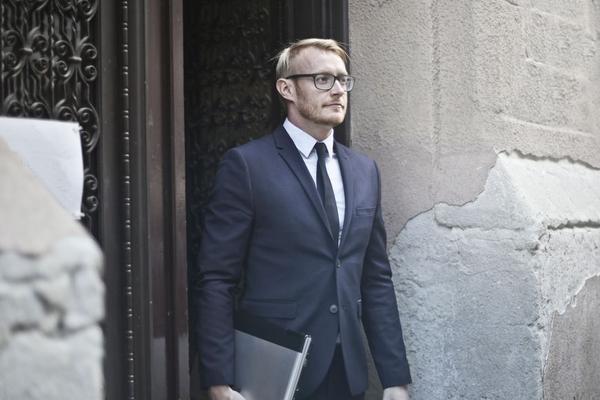
Formal professional dressing remains the safest choice for interviews in industries such as finance, law, insurance, government and senior management. A well-cut suit in navy, charcoal, black or another understated shade creates an immediate sense of professionalism.
A tailored blazer with matching trousers is a reliable option and can be worn with a crisp shirt, simple blouse or fine-gauge knit. A structured knee-length or midi dress can work equally well when paired with a blazer. Choose fabrics that hold their shape and avoid anything excessively tight, sheer or heavily embellished.
Footwear should look polished and feel comfortable enough for walking, waiting and potentially touring the workplace. Classic loafers, brogues, low heels, ankle boots or smart closed-toe flats are all suitable. Check the soles and heels beforehand, particularly if wet UK weather is expected.
Accessories should support the outfit rather than dominate it. A neat leather bag, understated jewellery and a simple watch can complete the look. If you wear a tie, select a restrained colour or pattern that complements the suit without drawing too much attention.
What to Wear for a Smart Casual Interview
A smart casual interview dress code is common in technology, marketing, education, retail, administration and many modern office environments. The aim is to look professional without appearing overly corporate.
Good interview outfit ideas include tailored trousers with a blouse, a midi skirt with a fine knit, or chinos with a collared shirt and blazer. Dark, well-fitting jeans may be acceptable in particularly relaxed workplaces, but they should be free from fading, distressing and decorative details. When there is any doubt, tailored trousers are the more dependable choice.
A blazer is especially useful because it can instantly make a simple outfit feel interview-ready. It does not need to match your trousers or skirt. An unstructured navy, grey, camel or checked blazer can add polish while retaining a more approachable appearance.
Smart trainers may be acceptable in casual creative or technology companies, but clean loafers, boots or flats are less risky. The overall outfit should feel intentional rather than like your usual weekend clothing with one formal item added at the last minute.
Dressing for Creative and Fashion-Focused Interviews
Interviews in fashion, media, design and other creative industries often allow more room for individuality. However, creativity should not be confused with a lack of professionalism. Your outfit can communicate personal style while still looking considered and suitable for a workplace.
You might introduce personality through colour, an interesting silhouette, a patterned shirt or a distinctive accessory. A monochrome outfit with a statement jacket, wide-leg trousers with a fitted knit, or a contemporary midi dress can all work well. The strongest creative interview outfits usually have one clear focal point rather than several competing elements.
If you are interviewing for a customer-facing fashion role, consider the visual identity of the brand. You do not need to dress entirely in its current collection, but your outfit should show an understanding of its audience and aesthetic. Avoid copying the brand too literally; the goal is to demonstrate awareness while retaining your own judgement.
Interview Outfits for Practical and Customer-Facing Roles
Not every interview takes place in a traditional office. Hospitality, healthcare, construction, beauty, childcare and retail roles may require a more practical approach. Even so, arriving in clean, neat and well-coordinated clothing remains important.
For a retail or hospitality interview, tailored trousers with a smart top, blouse or collared shirt will usually create the right impression. For practical trades or site-based positions, smart chinos, a plain shirt or polo, and clean sturdy shoes may be more appropriate than formal tailoring.
If you have been asked to complete a trial shift, practical assessment or workplace tour, check whether specific footwear or clothing is required. Safety and mobility should take priority. You can still demonstrate professional dressing through good fit, clean fabrics and an organised overall appearance.
How to Handle the UK Weather
British weather can complicate even the most carefully planned interview outfit. Prepare for rain, wind or sudden temperature changes so that you do not arrive flustered or uncomfortable.
A structured trench coat, wool coat or simple mac will protect your clothes without undermining the professional look. Carry a compact umbrella and consider travelling in weather-resistant shoes if the forecast is poor. You can change into your interview shoes nearby if necessary.
Layering is also useful. A lightweight knit beneath a blazer provides warmth without adding too much bulk, while breathable fabrics can help during warmer months or crowded public transport journeys. Leave enough time to remove your coat, check your appearance and settle before the interview begins.
Colours, Fit and Grooming
Neutral colours remain popular because they are easy to coordinate and unlikely to distract. Navy, grey, black, cream, white, olive and muted blue are dependable choices. Brighter shades can still be suitable, particularly in creative settings, but they work best when balanced with simpler pieces.
Fit matters more than price or brand. An affordable blazer that sits neatly across the shoulders will look more professional than an expensive one that pulls, creases or hangs awkwardly. Try the complete outfit in advance and practise sitting, walking and reaching to ensure you remain comfortable.
Clothes should be clean, pressed and free from loose threads or missing buttons. Shoes should be polished, and hair and nails should look neat. Fragrance is best kept light, as strong scents can be distracting in a small meeting room.
What Not to Wear to a Job Interview
Avoid clothing that requires constant adjustment or makes you feel self-conscious. Very casual sportswear, flip-flops, heavily distressed denim, slogan tops and visibly worn-out shoes are rarely appropriate. Clothing that is extremely tight, revealing or transparent may also draw attention away from your experience and answers.
Be cautious with noisy jewellery, oversized logos and excessive perfume. The interviewer should remember your preparation, communication and suitability for the role rather than an accessory that repeatedly knocked against the table.
Comfort also matters. Brand-new shoes that cause pain or an unfamiliar outfit that restricts movement can affect your confidence. Wear the complete look beforehand so you know how it feels over a longer period.
What to Wear for an Online Interview
Video interviews still require a professional outfit, even when you are speaking from home. Dress as though you were attending in person, including the lower half of your outfit. Being fully dressed for the occasion can help you adopt a more focused and professional mindset.
Choose colours that contrast with your background and avoid very small patterns, which may appear distorted on camera. Check your lighting and camera angle in advance. A simple shirt, blouse, knit or blazer often works well, provided it looks neat and does not blend into the wall behind you.
Frequently Asked Questions
Can I wear jeans to a job interview in the UK?
Jeans may be suitable for a relaxed creative, technology or start-up environment, but choose a dark, plain and well-fitting pair. Combine them with a smart shirt, blouse, knit or blazer. For formal or client-facing roles, tailored trousers are a safer option.
Is black always the best colour for an interview?
Black is professional, but it is not your only choice. Navy, charcoal, grey, camel and other muted shades can feel equally polished and sometimes more approachable. Select colours that suit the company, the role and your personal style.
Should I wear a suit to every interview?
No. A suit is appropriate for traditional corporate sectors and senior positions, but it may feel unnecessarily formal in a casual or creative workplace. Research the company and aim to dress one level smarter than its everyday dress code.
Can I ask the recruiter about the dress code?
Yes. Asking politely about the expected dress code is completely reasonable, especially when the interview includes a site visit, practical task or trial shift. It shows that you want to arrive appropriately prepared.
Choose an Outfit That Supports Your Confidence
Understanding what to wear to a job interview in the UK is less about following one rigid formula and more about reading the professional environment. Research the company, consider the responsibilities of the role and choose clothes that look polished while allowing you to move and speak comfortably.
The right outfit will not secure the job on its own, but it can create a positive first impression and help you feel prepared. Whether you select formal tailoring, a smart casual interview look or something with a little more creative personality, thoughtful presentation allows your experience and confidence to remain the real focus.