
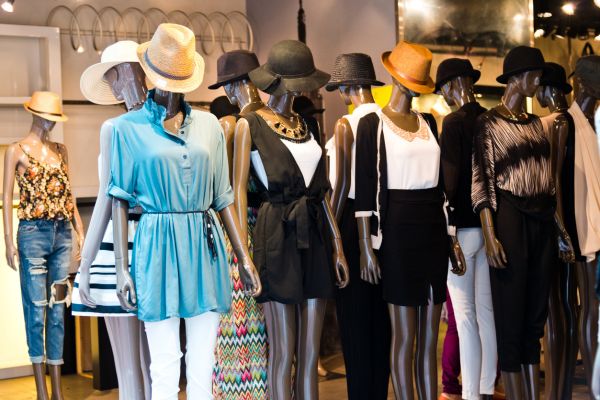
The idea of becoming a fashion designer often begins with a feeling rather than a plan. Maybe it’s noticing how fabrics fall, how colors interact, or how a simple outfit can completely change someone’s confidence. Fashion, at its core, is about expression—and for many, the desire to design grows from that instinct.
If you’ve ever wondered how to become a fashion designer, the path is both creative and practical. It’s not just about sketching beautiful clothes; it’s about understanding people, trends, materials, and the rhythm of an ever-changing industry. Let’s walk through what that journey really looks like.
Understanding What Fashion Design Really Means
Before diving into the technical side, it’s important to grasp what fashion design actually involves. It’s not just drawing outfits or following trends on social media. A fashion designer is part artist, part problem-solver, and part storyteller.
Designers create clothing and accessories that balance aesthetics with function. They think about who will wear the piece, where it will be worn, and how it will feel. A great design doesn’t just look good—it works in real life.
There’s also a surprising amount of research involved. Designers study past trends, cultural influences, and even economic shifts. Fashion doesn’t exist in isolation; it reflects the world around it.
Developing Your Creative Eye
Every designer starts somewhere, and usually that place is curiosity. You don’t need expensive tools or formal training to begin developing your creative eye. What you need is attention.
Pay attention to how people dress in your city. Notice how colors are combined, how fabrics move, and how styles differ across cultures. Look at old magazines, runway shows, street fashion, and even historical clothing.
Sketching helps, but it doesn’t have to be perfect. Many beginners hesitate because they think their drawings aren’t “good enough.” The truth is, sketches are just a way to capture ideas. Over time, your style will evolve naturally.
Photography, mood boards, and even journaling ideas can also sharpen your creativity. The goal is to train yourself to see fashion everywhere.
Learning the Technical Side of Design
While creativity is essential, fashion design also requires technical skills. At some point, ideas need to become real garments.
Understanding fabric is one of the most important steps. Different materials behave in different ways—some stretch, some drape, some hold structure. Knowing how fabric works will influence your designs from the very beginning.
Sewing is another key skill. Even if you don’t plan to sew every piece yourself, knowing how garments are constructed gives you control over your designs. It helps you communicate better with tailors and manufacturers later on.
Pattern making, which is the process of creating templates for garments, can seem intimidating at first. But it’s what turns a sketch into something wearable. Many designers learn this through courses or hands-on practice.
Choosing Between Formal Education and Self-Learning
One of the biggest questions people ask when thinking about how to become a fashion designer is whether they need a degree.
The honest answer is: it depends.
Fashion schools offer structured learning, access to industry professionals, and opportunities for internships. They can accelerate your growth and provide a strong foundation. However, they’re not the only path.
Many successful designers are self-taught. With online resources, tutorials, and practice, it’s possible to build skills independently. What matters most is consistency and willingness to learn.
If you choose formal education, focus on programs that emphasize both creativity and technical skills. If you go the self-taught route, create your own structure. Set projects, practice regularly, and seek feedback.
Building Your Own Design Style
At some point, every designer faces the same challenge: finding their voice.
In the beginning, it’s normal to imitate styles you admire. But over time, you’ll start to notice patterns in your work—colors you gravitate toward, silhouettes you prefer, or themes that keep appearing.
Your design style is not something you force. It develops gradually through experimentation. The key is to keep creating and reflecting on your work.
Ask yourself what you want your designs to say. Are they bold and expressive, or minimal and refined? Do they tell a story, or focus on function? Your answers will shape your identity as a designer.
Gaining Real-World Experience
Fashion is a practical field, and experience matters just as much as talent.
Internships, even unpaid ones, can offer valuable insight into how the industry works. You’ll see how collections are developed, how deadlines are managed, and how teams collaborate.
Working with local tailors or small brands can also be incredibly helpful. It gives you hands-on experience and exposes you to real challenges, like fitting issues or fabric limitations.
Even starting small projects on your own—like designing for friends or creating a mini collection—can teach you more than theory alone.
Creating a Portfolio That Tells a Story
Your portfolio is your introduction to the fashion world. It’s not just a collection of designs; it’s a reflection of how you think.
Include sketches, finished garments, and the process behind them. Show your inspiration, your development, and your final outcome. This gives people a deeper understanding of your creative process.
Quality matters more than quantity. A few strong, well-thought-out designs are more impactful than a large number of unfinished ideas.
Digital portfolios are becoming more common, but physical ones still have their place, especially in interviews or presentations.
Understanding the Business Side of Fashion
While the focus is often on creativity, fashion is also an industry. Designers need to understand how things work behind the scenes.
This includes pricing, production, branding, and even basic marketing. Knowing your audience is crucial. Who are you designing for? What do they need? What are they willing to wear?
Even if you don’t plan to start your own brand, understanding the business side helps you navigate the industry more effectively.
Fashion is fast-paced and competitive, and being aware of how it operates gives you an edge.
Staying Inspired in a Changing Industry
Fashion is constantly evolving. Trends come and go, and what feels fresh today might feel outdated tomorrow.
Staying inspired means staying curious. Keep exploring new ideas, new cultures, and new perspectives. Don’t rely solely on trends—use them as a reference, not a rule.
It’s also important to take breaks when needed. Creativity can’t be forced, and burnout is real. Sometimes stepping away can bring new clarity.
Surround yourself with inspiration, but also give yourself space to think independently.
Embracing the Challenges Along the Way
The journey of becoming a fashion designer isn’t always smooth. There will be moments of doubt, frustration, and creative blocks.
You might struggle with technical skills at first. You might feel like your designs aren’t good enough. That’s normal.
What matters is persistence. Every designer goes through a learning curve. The difference is those who keep going despite the challenges.
Mistakes are part of the process. In fact, they often lead to the most valuable lessons.
Conclusion
Learning how to become a fashion designer is less about following a fixed path and more about building your own. It’s a blend of creativity, skill, curiosity, and resilience.
There’s no single way to enter the world of fashion. Some take formal routes, others carve their own. What connects them all is a genuine passion for design and a willingness to keep learning.
If you’re drawn to fashion, start where you are. Observe, create, experiment, and grow. Over time, those small steps begin to shape something much bigger—a voice, a vision, and a place in the world of design.