
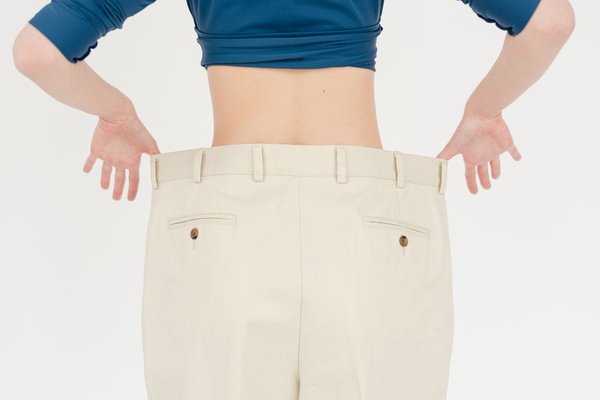
A pair of trousers can fit your waist perfectly and still feel wrong everywhere else. Perhaps the fabric pulls across your hips, the waistband gaps at the back, or the legs overwhelm your frame. Finding the best trousers for your body shape is less about following rigid fashion rules and more about matching the cut to your proportions, comfort and preferred silhouette.
Start with three decisions: where the waistband sits, how much room you need through the seat and thighs, and the shape you want from knee to hem.
Choose fit before you choose a body-shape label
Body-shape terms are useful shortcuts, not measurements or instructions. Two people described as pear-shaped may need completely different trousers because their waist position, thigh fullness and leg length differ. Instead of asking which style you are allowed to wear, notice where ready-made trousers usually feel tight or loose.
For a practical starting point, measure your natural waist and fullest hips, then compare both with the retailer’s size chart. Your waist and hip fit may point to different sizes; prioritise comfortable room at the hips and seat if the waist can be tailored.
Trouser cuts for different body proportions
Fuller hips and thighs
If your hips are wider than your shoulders, straight-leg and wide-leg trousers are useful starting points. A straight cut falls cleanly from the thigh without gripping the knee, while a wide leg provides extra movement. Look for enough room across the seat before considering the waistband. Curvy-fit ranges may offer a greater waist-to-hip difference than standard cuts. Softly structured fabric can give definition without clinging.
A defined waist with balanced shoulders and hips
For an hourglass-style proportion, the challenge is often a waist that gaps when the hips fit. Contoured waistbands, curved seams and adjustable waist tabs can help. High-rise straight trousers highlight the waist, but mid-rise tailored styles can be just as successful. Do not size down merely to close a back-waist gap if it causes pulling across the hips.
A straighter waist-to-hip line
If your waist and hips have relatively similar measurements, you have room to experiment with structure. Pleated trousers can add volume around the hips; flat-front straight trousers create an uninterrupted line. Tapered cuts offer shape through the ankle without requiring a strongly defined waist. Try a tucked-in knit for definition or a relaxed shirt with wider trousers.
Broader shoulders with narrower hips
When your upper body is visually broader, wide-leg, flared or pleated trousers can introduce volume below the waist if you want a more balanced outline. A tapered cut provides a neater alternative when you prefer less fabric. Neither is compulsory: proportion is a styling choice, not a correction your body needs. Pleats should fall smoothly rather than pulling open.
More fullness through the middle
If waist comfort is your biggest issue, look at the rise and waistband construction first. Mid-rise trousers with a flexible back waistband, discreet stretch or a smooth front may feel better when sitting. Straight or gently tapered legs keep the overall outfit versatile. A very high waistband is not automatically more comfortable; if it folds into your stomach, try another rise.
How rise changes the fit
Low-, mid- and high-rise describe where trousers sit relative to your waist, but the same label can fit differently across brands. A high rise may define the waist beautifully on one person and reach uncomfortably high on another. Your torso length matters as much as your overall height.
Try trousers standing and seated. If the waistband digs in, the front bunches or the crotch seam feels tight, changing size alone may not solve it. Compare another rise or cut. This is also why a guide to how to measure your waist and hips can be more useful than relying on your usual UK dress size.
A simple leg shape guide
Straight legs run at roughly consistent width from knee to hem and are particularly adaptable for everyday wear. Wide legs give more room throughout, with either a fluid drape or a crisp tailored outline. Tapered trousers narrow towards the ankle, which can show footwear and provide a tidier finish. Flared styles widen below the knee, while slim cuts sit closer to the leg.
Think about the effect you want rather than which trousers for body types are supposedly universally flattering. A roomy thigh paired with a tapered hem can work especially well when straight trousers feel restrictive but full wide legs feel excessive.
The fitting-room test that saves returns
Imagine finding smart work trousers that fit your hips in a UK size 14 but leave a finger-width gap at the back waist. Before moving to a size 12, sit down, walk and check the front pockets. If the smaller size strains across the seat or makes the pockets flare, keep the hip-friendly size and consider a waistband alteration.
Check the following in the mirror: the side seams should hang without twisting; the waistband should remain comfortable when seated; the fabric should not form strong horizontal strain lines across the crotch or thighs; and pockets should lie reasonably flat. Some natural creasing is normal, especially in linen.
Length deserves its own check. Try trousers with the shoes you expect to wear. A full-length wide leg may need hemming to avoid dragging, whereas an ankle-length tapered cut should end deliberately rather than looking accidentally short. Retailers’ petite, regular and tall lengths are useful starting points, not guarantees.
Make the silhouette work with your wardrobe
The best trouser cut is one you can wear repeatedly. If wide legs are your favourite, look at how to style wide-leg trousers with fitted knits, longer shirts and different shoe shapes. For tailored straight trousers, a neat jumper and loafers create an easy work outfit. A useful guide to trouser lengths and shoes can help you judge where each hem should fall.
Frequently asked questions
Are wide-leg trousers suitable for every body shape?
Yes, if you enjoy the look and find a comfortable fit. Adjust the rise, fabric, width and hem length to suit your proportions. Wide-leg is a category, not one fixed silhouette.
Which trousers work best for a smaller waist and fuller hips?
Try curvy-fit straight or wide-leg trousers, especially styles with a contoured waistband. Fit the hips first and assess whether a small waist alteration would help.
Do high-waisted trousers make legs look longer?
They can create that visual effect, particularly when paired with a tucked top, but torso length and hem placement also influence the result. Choose the rise that feels comfortable.
Should I size up if trousers pull across my thighs?
Possibly, but test another cut as well. If sizing up makes the waist too loose, a roomier thigh or different pattern may provide a better fit without excessive alterations.
Find the pair that fits your proportions
There is no single winning style for every shape. The most reliable approach is to assess waist and hip fit, test the rise while sitting, then choose a leg shape and length that suit your wardrobe. When trousers move comfortably and create the outline you want, the label on the hanger matters far less.