
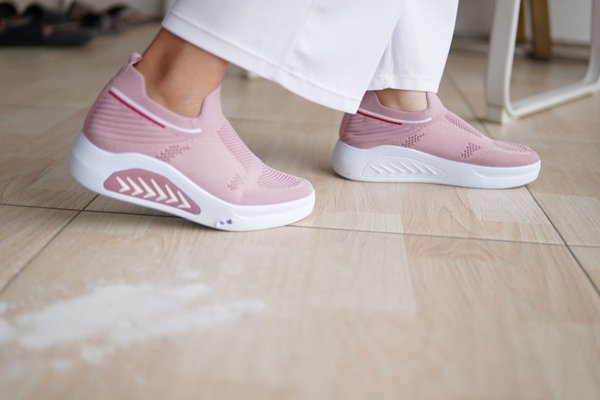
The best slip-on trainers make travel easier twice: when you are juggling a bag at the airport and when you spend the afternoon exploring on foot. Those are different demands. A shoe that slides on effortlessly may feel loose on steep streets, while a snug design may become uncomfortable during a long journey. When comparing slip on trainers for travel, convenience matters, but secure fit, grip and all-day comfort should decide the purchase.
Think about your itinerary before choosing. A short flight and taxi transfer require less from your footwear than a city break filled with station stairs, wet pavements and sightseeing.
Easy to put on should not mean easy to slip off
Good airport shoes let you step in without crushing the heel or struggling with laces. But once they are on, they should stay firmly in place. Walk briskly, turn and climb a few stairs when trying them on. If your heel repeatedly lifts or your toes curl to hold the shoe, it is probably too loose.
Fit: the deciding factor for long days
Allow toe room without sacrificing heel hold
Your toes should move freely rather than pressing against the front. Feet can become slightly swollen during long journeys, but sizing up automatically is rarely the best answer: an oversized slip-on may rub as your foot slides around. Compare the actual width and shape of different models rather than trusting the number on the box alone.
Try them with the right socks
Thin travel socks and cushioned walking socks can produce very different fits. Test the shoes with what you expect to wear. Look for pressure across the instep, rubbing at the collar and unwanted movement at the heel. An elastic opening should hold comfortably, not dig into your foot.
If most styles feel restrictive around the forefoot, a guide to trainers for wide feet can help you compare shapes and sizing choices.
Cushioning, stability and grip work together
Soft cushioning feels pleasant in a shop, but that first impression does not tell you how a shoe will perform after several hours. For comfortable travel shoes, look for cushioning that feels protective without making you unstable. The sole should bend sensibly at the forefoot, while the shoe remains secure when you change direction.
Pay close attention to the outsole. Smooth, shallow tread may be less reassuring on wet steps or polished floors. A clearly textured gripping surface is useful, although no tread pattern guarantees safety on every slippery surface. If your destination has steep lanes, uneven paving or frequent rain, grip deserves extra weight in the comparison.
Check whether the insole is removable if you use your own footbeds. Swapping insoles can change the fit, particularly under the top of the foot. A pair with excellent cushioning is still the wrong pair if it pinches or allows your heel to move.
Match breathability to the weather
Mesh and stretchy knit uppers can feel airy on warm days and make appealing lightweight trainers. However, open fabrics often provide limited protection from rain. A more substantial upper may suit a damp UK weekend but feel warmer in a Mediterranean city.
Check the lining as well as the outer fabric. Stiff edges or rough seams that are noticeable during a short fitting may become irritating during a lengthy walk. Choose the fabric for the conditions you expect, not just its appearance in photographs.
Compare the main types of slip-on trainers
Stretch-knit styles
These are often flexible and relatively easy to pack. They can suit relaxed journeys and warm weather, but some offer less heel security. Test the fit and sole construction rather than assuming that a sock-like upper guarantees comfort.
Elastic-gusset styles
Elastic sections can allow easy entry while a more structured upper holds the midfoot. They are worth comparing if fully stretchy shoes feel too loose. Make sure the elastic does not create pressure across your instep.
Structured hands-free styles
A shaped heel can help you step straight into the shoe. This is handy when carrying luggage, but the heel must still remain secure once you start walking. Try the entry mechanism several times and check for friction around the back of your foot.
No construction wins for everyone. For longer walking days, a well-fitting lace-up trainer may be more adjustable than any slip-on.
Packability is not simply about weight
If the trainers will be on your feet during the flight, suitcase weight is barely relevant. If they are a backup pair, check the space taken up by the sole and whether the upper can flatten without damage. Never squash a reinforced heel that is not made to fold.
Very thin soles may save space but feel less comfortable over long stretches of hard paving. Choose a balance that suits the planned walking distance. A compact city-break wardrobe guide can also help you decide whether a second pair is worth packing.
Run a realistic travel test before keeping them
Imagine flying from Manchester to Lisbon, then walking from the station to a hotel before tackling sloped streets. The shoe needs to do more than carry you through the terminal. At home, wear your intended socks, walk quickly for fifteen minutes, climb stairs and make a few turns with a small bag in hand.
Notice heel movement, toe pressure, heat and rubbing. Test indoors first so the soles stay clean if you need to return them. Once you decide to keep the pair, build up to longer outings rather than saving their first proper walk for the holiday.
Which pair suits your trip?
For airport-to-hotel travel, prioritise easy entry and a comfortable fit. For long city walks, put heel security, cushioning and grip first. For warm destinations, favour breathable uppers; for wet weather, assess coverage and traction carefully. UK shoppers searching for travel trainers should also compare retailer sizing charts and returns terms.
If you expect to walk for hours every day, an everyday walking trainers comparison may be more useful than a list focused solely on convenient slip-on designs.
Frequently asked questions
Are slip-on trainers suitable for long flights?
Yes, if they feel comfortable without squeezing and have enough toe room. Foot movement during the journey still matters; footwear alone does not address circulation concerns.
Can you walk all day in slip-on trainers?
Some are suitable for lengthy walks, while others are made mainly for casual wear. Check the fit, support and outsole, then try a shorter walk first.
Are slip-ons better than lace-ups for airports?
They are generally quicker to put on, but lace-ups offer more adjustment. Choose the pair that stays comfortable and secure on your feet.
Should you size up for travel?
Not automatically. You need comfortable toe clearance and stable heel hold. Try your usual size with travel socks and compare the manufacturer’s fit guidance.
Make comfort the final test
The best slip-on trainers for travel are not necessarily the lightest, softest or easiest pair to step into. They are the ones that stay comfortable when the airport is behind you. Judge each option against your route, weather and walking plans, and reject any pair that already feels loose or irritating during a short trial.