
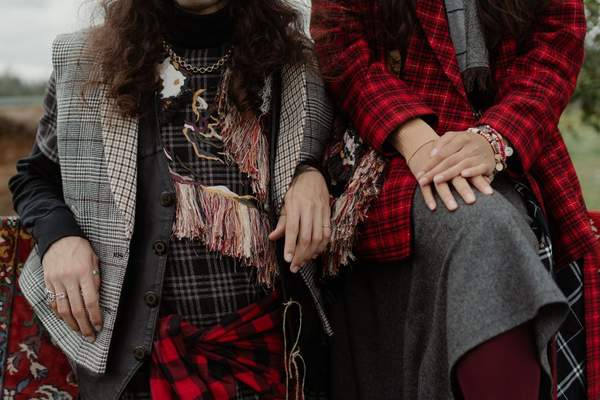
British autumn rarely follows a neat dress code. A chilly platform at 8am can turn into a surprisingly warm lunchtime walk, followed by rain just as you head home. That is why the most useful autumn layering trends are not simply about piling on more clothes. They are about combining pieces that look considered, feel comfortable and can be adjusted throughout the day.
This season, refined knitwear, heritage-inspired jackets and relaxed tailoring offer plenty of ways to do exactly that. The trick is to build outfits around removable layers rather than one heavy garment. With a few thoughtful combinations, even familiar wardrobe staples can feel fresh.
Start With the Weather, Not the Outfit Photograph
UK autumn style needs to handle damp air, blustery streets and temperatures that can shift between morning and afternoon. A thick coat may be welcome in November but uncomfortable on a mild October train. A breathable top, a knit and a practical outer layer give you more control.
Think in three parts: a comfortable base against the skin, an insulating middle layer and an outer piece chosen for wind or rain. Not every day needs all three. On a mild afternoon, a shirt and jacket might be enough; on a frosty morning, a fine jumper under that jacket makes the difference.
The Layering Looks That Feel Current
Fine Knits Beneath Structured Jackets
One of the most wearable autumn layering ideas is a lightweight roll-neck or crew-neck jumper under a blazer, trench or barn jacket. Fine-gauge knitwear sits neatly beneath outerwear without bunching at the shoulders. Choose a close but comfortable fit, then let the jacket provide shape.
Chocolate brown, charcoal and oatmeal are easy foundations, while burgundy or forest green adds interest without demanding an entirely new wardrobe. Pair a dark knit with tailored trousers and loafers for a polished everyday look.
Heritage Outerwear With Modern Proportions
Country-inspired pieces remain relevant, especially practical barn jackets, quilted coats and checked scarves. To avoid looking as though you are dressing for a costume, contrast their traditional feel with clean denim, a plain shirt or streamlined boots. A cropped utility jacket over a longer shirt is especially effective because the hem creates deliberate visual depth.
Cardigans Worn as Flexible Middle Layers
Cardigans are useful because they can be worn open, buttoned up or removed in seconds. A slim cardigan over a T-shirt suits warmer days, while a roomier version over a collared shirt works when temperatures fall. Leaving the top button open shows the neckline and stops the outfit feeling too closed in.
Four Outfit Formulas for Real UK Days
The Office-to-Commute Combination
Start with a cotton shirt, add a fine merino jumper and finish with a water-resistant trench. Straight-leg trousers and leather ankle boots keep the outfit tidy. If the office is warm, remove the knit and wear the shirt beneath the trench when you leave. A compact umbrella belongs in the bag, not as a substitute for sensible footwear.
The Weekend Coffee and Errands Look
Try a striped long-sleeved top, a relaxed cardigan and a short quilted jacket with dark jeans. This combination feels casual without appearing thrown together. Trainers are fine in dry conditions; water-resistant boots are more dependable if pavements are soaked.
The Countryside-Inspired City Outfit
Wear a lightweight checked shirt beneath a plain crew-neck jumper, then add an olive barn jacket. Wide-leg jeans or tailored cords make the silhouette feel contemporary. Keep the colour palette restrained: olive, cream and dark denim already provide enough contrast.
The Dinner After a Busy Day Outfit
A thin black roll-neck beneath a softly tailored blazer works with a midi skirt or smart trousers. Add a longer coat for the journey home. This is one of the easiest layered autumn outfits to dress up: jewellery and a change of shoes can shift the mood without requiring a second outfit.
Get the Proportions Right Without Adding Bulk
Layering becomes awkward when each garment is equally thick or oversized. If your jacket is boxy, keep the shirt or knit beneath it comparatively streamlined. If you love a chunky jumper, choose a coat with enough shoulder and sleeve room rather than forcing it under a narrow blazer.
Choose Fabrics That Suit a Changeable Forecast
Cotton shirts and breathable base layers are comfortable indoors, while fine wool knits provide useful warmth for cooler periods. A lightweight fleece can be practical beneath casual outerwear, although it may not suit more tailored looks. If wool feels irritating, wear it over a soft long-sleeved layer or consider a comfortable alternative.
For rain, check whether an outer garment is described as water-resistant or waterproof: they are not the same. A rain shell that fits over a jumper is often more useful in persistent rain than a heavy fashion coat that absorbs moisture. Also consider how quickly pieces dry after an unexpected shower.
Refresh What You Own Before Buying More
Lay out your shirts, jumpers and jackets, then test combinations you would actually wear together. Button the coat, sit down and move your arms. If the sleeves pull or the neckline feels crowded, change one layer. This quick fitting-room test is more informative than judging an outfit on a hanger.
A simple autumn capsule wardrobe might revolve around two base tops, two knits, a smart jacket, a weather-ready coat and bottoms that work with each. Repeating those pieces in different arrangements gives variety without constant shopping. For more outfit planning inspiration, explore capsule wardrobe essentials for autumn, how to style a trench coat and boots for rainy UK days.
Frequently Asked Questions
How many layers should I wear in autumn in the UK?
Two or three adjustable layers are a practical starting point, but the forecast and your plans matter more than a fixed number. A base top and jacket may suit a mild day; a knit between them adds warmth when needed.
Can I layer a chunky jumper under a blazer?
Yes, if the blazer has room through the shoulders and sleeves. Otherwise, choose a finer knit under the blazer and save the chunky jumper for a roomier coat.
What colours work best for autumn layering?
Neutral shades such as navy, cream, grey and brown make mixing easy. Add one richer tone, such as burgundy or olive, to give the combination personality without clashing.
What is the best outer layer for a rainy autumn day?
For persistent rain, a properly waterproof jacket with a hood is the most dependable choice. A trench or barn jacket can work for lighter showers if its fabric offers suitable protection.
Make Every Layer Earn Its Place
The strongest autumn layering trends combine the season’s textured knits and heritage outerwear with a practical understanding of British weather. Aim for pieces that work independently, fit comfortably together and can be removed without ruining the outfit. That balance is what makes autumn dressing look effortless, even when the forecast is anything but.