
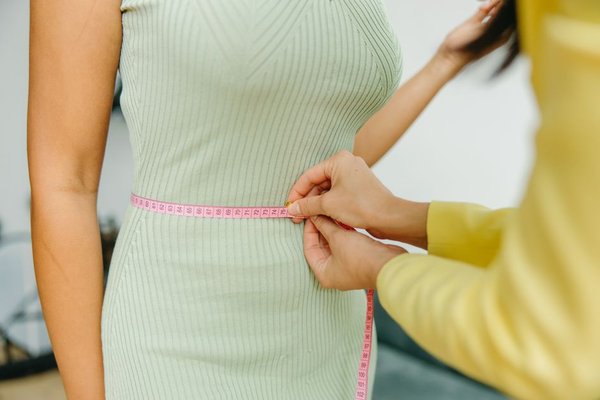
Dressing a pear-shaped body is less about hiding your hips and more about creating proportions that feel balanced, comfortable, and like you. A pear shape usually means the shoulders and bust are narrower than the hips, with more fullness through the seat and thighs. Height, torso length, waist definition, and personal style still affect how every outfit sits.
For UK wardrobes, the most useful approach is practical: think about layers, trouser cuts that work with trainers and boots, jackets that finish at flattering points, and fabrics that hold their shape. The best pear shape outfit ideas are the ones you can repeat without feeling dressed according to a rulebook.
Start with balance, not camouflage
A simple way to style a pear shape is to give the upper half a little more visual presence while keeping the lower half clean and well fitted. That might mean a square neckline, a structured shoulder, a brighter knit, or a jacket with a clear lapel. Your hips do not need to disappear; the goal is simply to help the eye move naturally across the whole silhouette.
Choose necklines that open up the upper body
Boat, square, scoop, sweetheart, and wider V-necks are useful because they create horizontal or diagonal lines that visually open the upper body. Collars, gathered sleeves, subtle shoulder pads, textured knits, statement earrings, or a necklace can add interest above the waist too.
Make the waist work for you
Many pear-shaped bodies have a defined waist, so clothing that acknowledges it can create a polished silhouette. Tucking in a top, choosing a wrap style, adding a belt, or wearing a cropped knit with high-rise trousers can all work well.
Placement matters. A belt at the natural waist usually looks more intentional than one dropped onto the widest part of the hips. Tops that end at the waist or below the hip also tend to look cleaner than tops that stop exactly at the fullest point of the seat.
Find trouser cuts that skim rather than cling
When looking for flattering clothes for a pear body, trousers are often the hardest category. Fit the widest part first. If trousers pull across the hips or create strong horizontal creases, go up a size and have the waist altered if needed. A smooth line through the hips and thighs matters more than the number on the label.
Straight-leg, bootcut, gently flared, and wide-leg trousers are reliable options because they continue the line from the hip rather than narrowing sharply below it. Mid- to high-rise styles can also define the waist. Choose denim with enough structure to hold its shape or tailoring fabric with enough drape to skim rather than cling.
A practical UK shopping test
Take the shoes you are most likely to wear when trying on trousers. Wide-leg trousers that look perfect with heeled boots may swamp flat trainers, while cropped straight legs can work with loafers but feel too short with ankle boots. Sit down, walk, and check the back view. If the fabric stays smooth across the hips and the hem works with at least two pairs of shoes you own, the trousers are much more likely to earn regular wear.
Use skirts and dresses to create an easy line
A-line skirts define the waist and move away from the hips, while bias-cut skirts can work beautifully when the fabric has enough weight to skim. Midi lengths are especially versatile in the UK because they pair easily with trainers, loafers, knee-high boots, and tights.
For dresses, wrap styles, fit-and-flare shapes, shirt dresses with waist definition, and designs with detail through the shoulders can create balance. If a dress fits your hips but feels loose through the bust, a simple alteration can make a major difference. Buying for the hardest-to-fit area and tailoring the rest is often more effective than searching endlessly for a perfect off-the-rail fit.
Pick jackets and coats with the hem in mind
Outerwear can change the proportions of an entire outfit. Jackets that finish at the waist or extend clearly below the widest part of the hips usually create a cleaner line than hems that stop directly across the fullest point.
Blazers with defined shoulders, trench coats with belts, cropped jackets, and longer straight coats are useful options. A blazer can add structure to the upper body, while a belted trench highlights the waist. For winter, a coat with a strong collar or lapel creates the same balancing effect over simple layers.
Useful next reads include a jeans fit guide, a blazer fit guide, and capsule wardrobe essentials.
Use colour and print as optional tools
You do not have to wear dark colours on the bottom, but contrast can guide the eye. A brighter or more textured top with quieter trousers naturally draws attention upwards. Monochrome outfits work too: keep the palette consistent, then use a square neckline, defined shoulder, or structured jacket to provide balance.
Three outfit formulas for real life
For an everyday look, try a square-neck knit tucked into high-rise straight-leg jeans with trainers and a cropped jacket. For work, pair wide-leg tailored trousers with a fitted top and a blazer with some shoulder structure. For dinner or the weekend, a wrap midi dress with knee-high boots gives waist definition while keeping the line through the hips fluid.
Once the proportions work, you can change colour, fabric, footwear, and accessories without rebuilding the outfit from scratch.
FAQ
What clothes suit a pear-shaped body best?
Clothes that define the waist, fit smoothly through the hips, and add some interest to the upper body are useful starting points. Wider necklines, structured jackets, straight or wide-leg trousers, A-line skirts, and wrap dresses often work well, but comfort and personal style should lead the final choice.
Are skinny jeans bad for a pear shape?
No. Skinny jeans can look great if you enjoy them. Try pairing them with a top or jacket that adds structure around the shoulders. The most important factor is that the jeans fit comfortably through the hips and thighs without pulling.
Should pear shapes avoid oversized clothes?
Not necessarily. Oversized pieces work best when some part of the outfit still has definition. An oversized blazer with a fitted top and straight trousers, or a roomy knit with a clearly defined waistband, can feel modern without overwhelming your shape.
What is the easiest way to dress a pear shape in winter?
Use structured layers. A fitted knit, high-rise trousers, and a blazer or belted coat create shape without complicated styling. Boots with a slightly pointed or almond toe can also extend the leg line, especially with full-length trousers.
Build outfits around fit, then style the details
The most useful approach is to start with trousers, skirts, and dresses that fit comfortably through the hips, then use necklines, jackets, colour, and accessories to create the balance you prefer. Once you know which rise, hem length, shoulder shape, and jacket length suit your proportions, shopping becomes easier.
Use these ideas as tools rather than rules. A good outfit should make you feel like yourself, only more considered. Fit comes first; the rest is styling.