
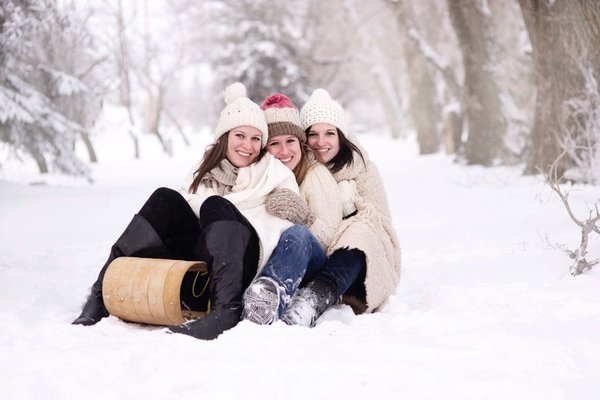
British winter rarely behaves like a single season. A mild morning can turn into a wet, windy afternoon, while a heated train or office may feel tropical compared with the pavement outside. Good winter dressing is therefore less about one enormous coat and more about flexible layers you can add or remove. The Met Office advises wearing several light layers in cold weather because trapped air helps retain warmth.
Start with a comfortable base layer
The first layer should sit close to your body without feeling restrictive. For commuting, shopping or everyday wear, a fine long-sleeved top, fitted vest or lightweight thermal top works well. Merino wool and technical synthetic fabrics are useful when you expect to walk because they manage moisture better than a heavy cotton T-shirt.
If you feel the cold through your legs, thermal leggings or tights can make dresses, skirts and wide-leg trousers more practical. Choose smooth, low-bulk styles so the next layer still falls properly. This is one of the easiest winter layering tips to use without changing the overall look of an outfit.
Add insulation without unnecessary bulk
Your mid layer provides much of the insulation. Fine-gauge knitwear, cardigans, fleece, knitted vests and lightweight gilets can all work, depending on how polished or casual you want to look. Match the thickness to your outer layer. A chunky jumper under a fitted wool coat may pull at the shoulders, while a slim merino knit gives warmth and keeps the silhouette clean.
For a typical workday, try a thermal long-sleeved top under a crew-neck knit, then add tailored trousers and a wool coat. On a colder day, a thin gilet can sit between the knit and coat. This is usually more adaptable than relying on one very thick jumper.
Choose outerwear for the actual weather
UK cold often arrives with rain and wind, so warmth is only part of the decision. A wool coat is smart for dry, chilly days, but a water-resistant or waterproof outer layer is more useful when the forecast is wet. For exposed walks or windy platforms, a coat that closes securely at the neck and cuffs can improve comfort.
Check the forecast before getting dressed rather than using the calendar alone. A 10°C day with rain needs different cold weather styling from a crisp 2°C morning. A lightweight puffer under a waterproof shell can be more practical in persistent rain than a wool coat that becomes damp.
Use proportion to keep layers looking intentional
Layering looks more polished when each piece has a clear job. If the top half is voluminous, balance it with straighter trousers, leggings or a column-style skirt. If you are wearing wide-leg trousers or a full midi skirt, keep upper layers closer to the body and choose a coat with a defined shoulder line.
Lengths matter too. A shirt hem showing beneath a cropped knit can look deliberate, while a long cardigan hanging below a shorter jacket can look accidental. Either keep hidden layers genuinely hidden or let one layer show clearly enough to feel planned.
Protect the areas that feel cold fastest
Hands, feet, neck and ears can make an otherwise sensible outfit feel inadequate. A scarf, gloves, warm socks and a hat take up little space but can transform a cold commute.
Footwear deserves the same attention as your coat. Waterproof boots or sturdy leather ankle boots with room for warm socks are often more useful in a British winter than thin fashion boots. If you are refreshing your wardrobe, a winter coat guide or a guide to winter boots for women can help you decide which pieces deserve more of your budget.
Dress for indoor-outdoor days
The best thermal layering guide is not simply “wear more”; it is “wear layers you can manage.” If you travel by bus or train, spend time in heated shops or move between meetings, choose at least one layer that is easy to remove.
For a Saturday in Manchester, for example, you might wear a lightweight thermal top, straight-leg jeans, a fine wool jumper, a waterproof padded coat, warm socks and ankle boots. Add a scarf for the walk into town, then remove it and open or take off the coat indoors. You stay warm outside without overheating in cafés and shops.
Keep colour and texture under control
Layered outfits contain more visible elements, so a limited palette helps them feel cohesive. Start with two or three core colours, then use one accent through a scarf, knit or bag. Tonal dressing works particularly well in winter: charcoal, grey and black can look sleek, while camel, cream and chocolate create a softer effect.
Texture adds interest when colours are simple. Combining a smooth base layer with ribbed knitwear, wool outerwear and leather accessories creates depth without needing several prints. A capsule wardrobe ideas guide can also help if you want fewer pieces that mix easily across the season.
Common winter layering mistakes
Too many tight layers can restrict movement and reduce the useful air space between garments. Another mistake is choosing every layer at maximum thickness, which makes coats uncomfortable and creates unnecessary bulk. A close base, insulating mid layer and weather-appropriate outer layer is usually a better starting point.
Also avoid dressing only for the temperature shown on your phone. Wind, rain, how long you will be outside and how active you will be all affect comfort. The Met Office recommends checking the forecast before heading out.
Frequently asked questions
How many layers should a woman wear in winter in the UK?
There is no fixed number, but three functional layers are a useful starting point: a base layer, an insulating mid layer and an outer layer. On milder days you may need only two, while colder or windier weather may call for an extra gilet or thermal layer.
What is a good base layer for everyday winter wear?
Merino wool and good-quality synthetic thermal fabrics are popular because they provide warmth without much bulk. Choose a fabric and fit that feel comfortable against your skin and suit how active you will be.
Can you layer clothes without looking bulky?
Yes. Use thinner pieces close to the body, keep the thickest layer to one main garment and balance proportions. Fine knits, thermal tops and slim gilets are especially useful under tailored coats.
What should I wear in wet UK winter weather?
Prioritise a water-resistant or waterproof outer layer, warm mid layers, suitable footwear and accessories that can cope with rain and wind. A hood can also be more practical than an umbrella in gusty conditions.
Make your winter wardrobe work harder
Learning how to layer clothes for winter in the UK is really about flexibility. Start with a comfortable base, add insulation where you need it, then choose outerwear for wind and rain as well as temperature. Once you understand that system, getting dressed becomes easier: you can repeat a few reliable formulas, change colours or textures for variety, and stay comfortable from the coldest part of the commute to the warmest room of the day.