
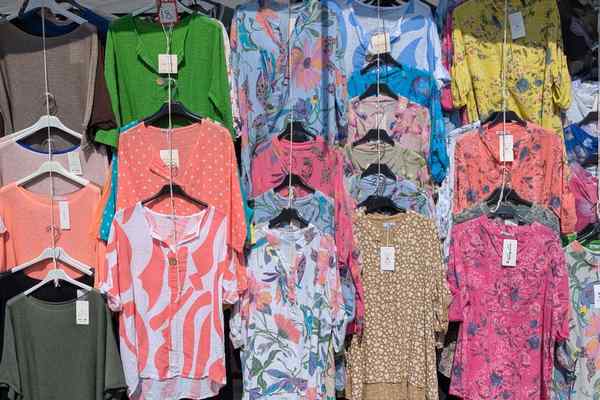
The best spring/summer fashion trends in the UK have one thing in common: they need to work when the forecast changes its mind. A sunny April afternoon can still call for a jacket, while a July train journey may feel far warmer than the morning commute. Instead of treating spring and summer as separate wardrobes, think of them as a gradual shift towards lighter layers, breezier fabrics and more expressive colour. That approach makes new trends easier to wear, and it stops your favourite pieces spending half the year in storage.
The Shape of UK Spring and Summer Style
Spring summer trends often arrive on the catwalk as complete looks, but real-life dressing is more flexible. Keep the structure of an early-spring outfit, then remove weight as temperatures rise. A cotton shirt worn over a vest in April can become your beach cover-up in August. A flowing skirt works with ankle boots in March and flat sandals later on.
This is the most useful way to interpret ss fashion trends: borrow the colour, shape or styling detail you like, then adapt it to the weather where you live.
Colours That Carry Through Both Seasons
Soft Pastels with a Purpose
Blush pink, pale yellow and watery blue bring a lighter mood without demanding a completely new wardrobe. Recent spring/summer collections have highlighted shades such as ballerina blush, aquamarine and lemon. In the UK, these colours look especially good against practical neutrals: try a pale-pink knit with indigo jeans or an aquamarine shirt under a stone trench coat.
Earthy Neutrals and One Strong Accent
Khaki, cream, chocolate and warm beige offer an easy foundation for warm season style. They also let a brighter red, berry or cobalt accessory stand out. For example, cream linen-blend trousers, a white T-shirt and a vivid scarf look considered without feeling overly dressed. If you enjoy experimenting with combinations, our guide to wearing colour with confidence offers more starting points.
Silhouettes Worth Trying
Relaxed Tailoring
Wide-leg trousers, softly structured waistcoats and oversized shirts are among the most useful ideas to take from contemporary seasonal fashion. A loose blazer makes an outfit feel finished in spring, but can be carried rather than worn on a hot afternoon. Choose trousers that drape instead of cling and check that the waistband remains comfortable when sitting.
Simple Dresses and Playful Skirts
Tank dresses and fuller skirts show how the same season can accommodate minimalism and volume. A plain column dress looks understated with trainers and a denim jacket. A puff or bubble-hem skirt makes more of a statement, so balance it with a fitted tee or fine jumper. You do not need to copy dramatic runway proportions to enjoy the trend.
For work or family occasions, a midi length can be practical, particularly when paired with shoes you can comfortably walk in.
Choose Fabrics for the Temperature, Not Just the Photograph
Fabric matters as much as the cut. Cotton poplin feels crisp for shirts and dresses. Linen allows airflow and has a relaxed texture, although it creases readily. A linen-cotton blend can be a compromise if you prefer a slightly neater finish. Lightweight viscose may drape beautifully, but check the garment’s care label and whether the fabric feels breathable against your skin.
On genuinely hot days, loose, lightweight cotton or linen clothing is a sensible choice. During unsettled spring weather, add a fine knit or a light, packable outer layer rather than relying on a thick jumper throughout the day. A small umbrella belongs in the bag more often than a heavy coat does.
Shoes and Accessories That Make the Transition Easier
Trainers, loafers and closed-toe flats bridge the gap between cold pavements and warmer afternoons. As summer settles in, simple leather or fabric sandals work with many of the same trousers and dresses. Test new sandals on a short walk before wearing them for a full day in town.
Accessories can change the mood of familiar clothes. A woven tote feels summery with jeans; a silk-style neck scarf adds colour to a plain shirt; and sunglasses make a simple outfit look deliberate. For sunny days, a brimmed hat also provides useful shade, although clothing and accessories are not substitutes for suitable sun protection.
Three Outfits for the UK’s Changing Warm-Weather Forecast
A Breezy April City Day
Start with straight-leg jeans, a pastel cotton shirt, a light trench and comfortable loafers. If the afternoon turns mild, remove the coat and roll up the sleeves. You still have a complete outfit without needing to change.
A Warm June Office Commute
Try relaxed tailored trousers with a sleeveless top and an open linen-blend shirt. Keep a light cardigan in your bag for air-conditioned spaces or a cooler journey home. The layers feel intentional rather than improvised.
A Hot July Weekend
Choose a loose cotton dress or tank dress, comfortable sandals, a hat and a lightweight overshirt for later. If you’re travelling by train or heading towards the coast, that extra shirt is useful when the breeze picks up. More combinations can be found in our summer outfit ideas for British weather.
Build a Wardrobe That Lasts Beyond One Trend Cycle
Before buying, lay out the clothes you already reach for between March and August. Identify the gaps rather than shopping for an entirely new look. You may need a breathable pair of trousers, a lighter jacket or just one colourful top. Our spring capsule wardrobe guide can help organise those pieces into repeatable outfits.
Ask whether a new item works with at least three things you own and whether you would wear it in more than one month. A fashionable skirt that only suits one pair of shoes is less versatile than a dress that handles spring layers and midsummer heat. Personal fit, comfort and cost per wear matter more than chasing every runway detail.
Frequently Asked Questions
What are the main spring/summer fashion trends in the UK?
Notable directions include soft pastel colours, relaxed tailoring, breezy dresses, expressive skirts and practical layering. The most wearable choice is the one that works with your existing clothes and local weather.
How do I dress for spring when it feels like summer?
Wear a light base layer with a removable shirt, cardigan or jacket. Closed-toe shoes can be more practical than sandals if the morning is chilly or rain is possible.
Which fabrics are best for UK summer outfits?
Lightweight cotton and linen are reliable options, especially in loose cuts. Pay attention to fabric weight, lining and fit, not just the fibre listed on the label.
A Seasonal Style That Works in Real Life
The strongest approach to UK seasonal fashion is to dress for the day in front of you while borrowing the trends that genuinely appeal. Keep layers flexible, choose fabrics that feel good and use colour to refresh pieces you already love. Spring and summer then become one connected season of easy, adaptable outfits rather than two expensive wardrobe overhauls.